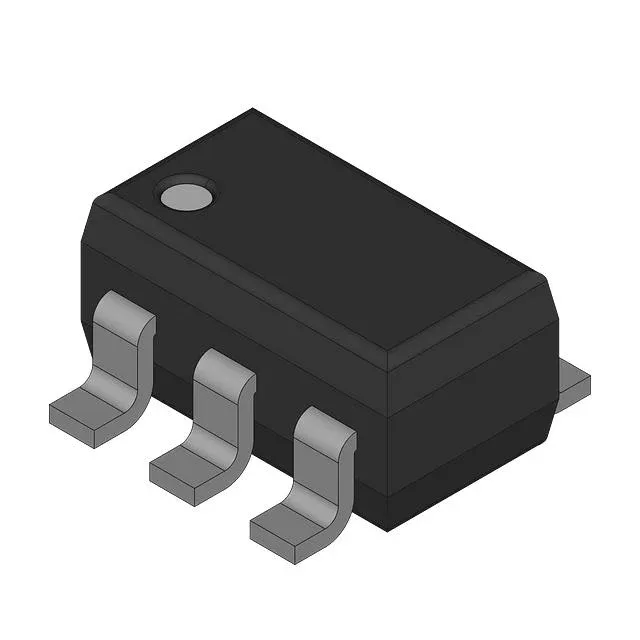
Analog Devices MAX6721UTLTD3-T — Power Management (PMIC / Gate Driver)

MAX6721UTLTD3-T Multi-Voltage Supervisor, SOT-23-6

MPNMAX6721UTLTD3-T
End of Life

Maxim Integrated MAX6721UTLTD3-T Multi-Voltage Supervisor, Active Low Reset, Open Drain Output, SOT-23-6, 2 Channels, 3.075V / 4.625V Thresholds, 140ms Timeout.

$1.84Ref. price · indicative, final on quote
PackagingSOT-23-6
RoHSRoHS non-compliant
Sourced new & surplus through independent channelsAuthenticity-screened · ESD-safe packingListing updated Aug 2026

Specifications

MAX6721UTLTD3-T specifications
ParameterValue
TypeMulti-Voltage Supervisor
MountingSurface Mount
Voltage - threshold3.075V, 4.625V
Number of voltages monitored2
Operating temperature-40°C ~ 85°C
ResetActive Low
OutputOpen Drain or Open Collector
PackageBulk
Reset timeout140ms Minimum
CaseSOT-23-6

Product details

Dual-rail watchdog in a six-pin package

The MAX6721UTLTD3-T: The reset output is open-drain, so it can be wire-ORed with other supervisor outputs on the same reset line, and the 140 ms minimum timeout holds the reset long enough for the downstream rails and oscillators to stabilise after both voltages return within tolerance.

Package and temperature fit for production boards

Housed in a SOT-23-6 package with a surface-mount footprint, the part fits into compact layouts where board space is tight — the same 6-pin pattern used by many single-voltage supervisors, so a layout already designed for a SOT-23-6 supervisor can accept this dual-channel part without a board spin.

Note that the part is listed as RoHS non-compliant, so it does not carry the lead-free / RoHS marking — confirm your assembly's exemption or waiver before specifying this order code for a RoHS-required BOM line.

Frequently asked questions

What supply rails does the MAX6721UTLTD3-T monitor?

It monitors two voltages: one at 3.075 V threshold and one at 4.625 V threshold. Typical applications pair the 3.075 V channel with a 3.3 V rail and the 4.625 V channel with a 5 V rail, giving a reset trip point at roughly 93% of the nominal supply.