The I²C interface lets the system microcontroller set the fan speed, read tachometer feedback, and detect fault conditions (like a stalled or open fan) over just two wires. That means no extra PWM timer or GPIO pins are tied up — the fan control is a register write away. For a field-service scenario, if a fan fails, the host can flag it via the same bus without adding discrete fault lines. The pre-driver is low-side, so the external N-channel MOSFET handles the switching; the controller itself stays cool.
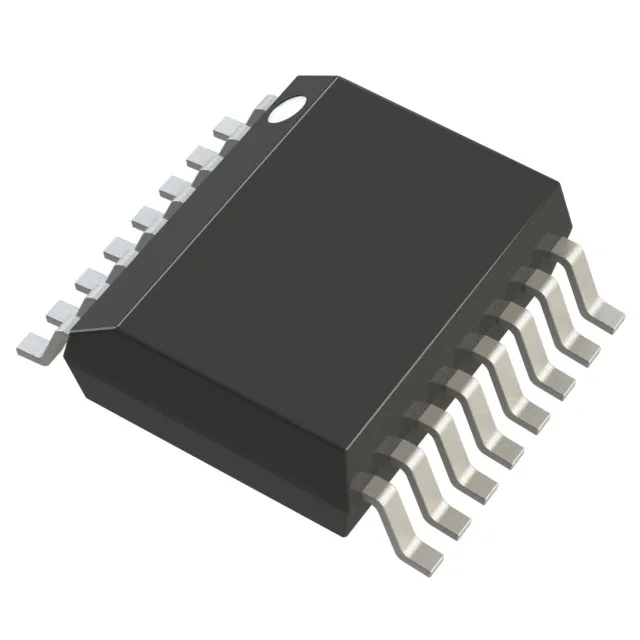
MAX6651EEE+ Fan Speed Controller, I²C, 3V-5.5V, 16-QSOP
MPNMAX6651EEE+
End of Life
Maxim Integrated MAX6651EEE+, IC MOTOR DRIVER 3V-5.5V 16QSOP, Controller - Speed, I²C interface, Fan Controller application, Surface Mount, 16-SSOP/QSOP package, -40°C to +85°C, Tube.
$7.45Ref. price · indicative, final on quote
Packaging16-SSOP (0.154", 3.90mm Width)
RoHSROHS3 Compliant
Independent supplier — new & surplus stockAuthenticity-screened · ESD-safe packingListing updated Aug 2026
Specifications
| Parameter | Value |
|---|---|
| Mounting | Surface Mount |
| Motor type - AC, DC | Brushless DC (BLDC) |
| Supply voltage | 3V ~ 5.5V |
| Interface | I²C |
| Operating temperature | -40°C ~ 85°C (TA) |
| Package | Tube |
| Function | Controller - Speed |
| Applications | Fan Controller |
| Case | 16-SSOP (0.154\", 3.90mm Width) |
| Output configuration | Pre-Driver - Low Side |
Product details
Frequently asked questions
What is the MAX6651EEE+?
The MAX6651EEE+ is an I²C-controlled fan speed controller for brushless DC fans, operating from a 3V to 5.5V supply and rated for -40°C to +85°C. It drives an external low-side N-channel MOSFET to regulate fan speed based on temperature or direct register commands.
How does the MAX6651EEE+ compare to the MAX6650?
The MAX6650 is a similar I²C fan speed controller but typically offered in a different package variant (e.g., 16-SOIC). The MAX6651EEE+ comes in the smaller 16-QSOP/SSOP footprint. Both share the same 3V to 5.5V supply range, I²C interface, and low-side pre-driver output. The choice is mainly board-space and availability driven.