Analog Devices MAX6432DHUS-T — Discrete Semiconductors

MAX6432DHUS-T Battery Monitor, Multi-Chemistry, 2-Cell

MPNMAX6432DHUS-T
End of Life

Maxim Integrated MAX6432DHUS-T battery monitor IC, multi-chemistry, 2-cell, -40°C to 85°C, SOT-23-4 package.

$1.46Ref. price · indicative, final on quote
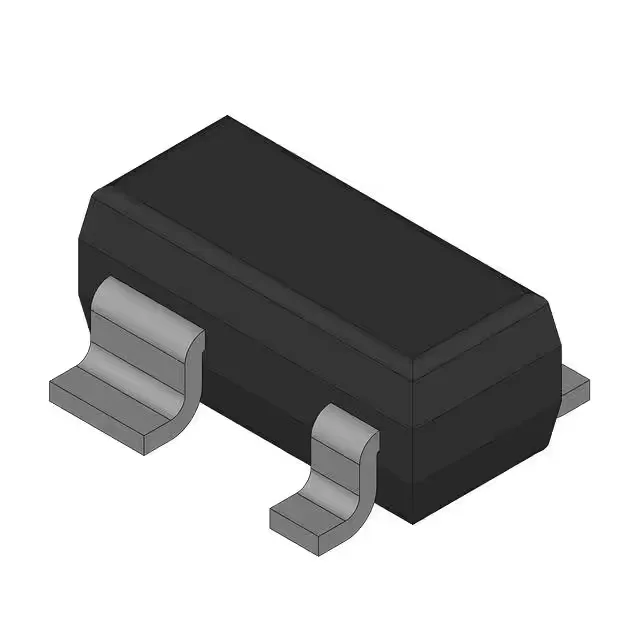
PackagingTO-253-4, TO-253AA
StockContact for availability
MOQ1 pcs
  • 100% new & originalTraceable channels only — no refurbs, no pulls, no remarked parts.
  • Date & lot codes on quoteStated per line before you commit; label photos on request.
  • MSL-compliant ESD packingMoisture-sealed bags with indicator cards; reels photo-verified.
  • PayPal buyer protectionPay by T/T, PayPal or Payoneer — card payments covered end to end.

Specifications

MAX6432DHUS-T Technical Specifications
ParameterValue
Mounting typeSurface Mount
Operating temperature-40°C ~ 85°C (TA)
PackageBulk
FunctionBattery Monitor
CaseTO-253-4, TO-253AA
Number of cells2
Battery chemistryMulti-Chemistry

Product details

What this battery monitor does

The MAX6432DHUS-T from Maxim Integrated is a battery monitor IC designed to supervise two series-connected cells of any chemistry — Li-ion, NiMH, NiCd, or lead-acid. It reports undervoltage and overvoltage conditions, acting as a watchdog for the battery stack in portable and backup-power equipment. The wide -40°C to 85°C operating range suits it for outdoor telecom, industrial instrumentation, and automotive cabin-zone battery packs.

Package and mounting

Housed in a SOT-23-4 surface-mount package, this part occupies minimal board area and is compatible with standard reflow soldering profiles. The four-pin layout keeps routing simple for a monitor function — no external passives beyond the usual decoupling and voltage-divider network.

Frequently asked questions

Is MAX6432DHUS-T obsolete?

No, the MAX6432DHUS-T is Active in production — no end-of-life notice has been issued. It is suitable for new designs and ongoing production BOMs.

What is MAX6432DHUS-T used for?

It monitors two series-connected battery cells of any chemistry, detecting undervoltage or overvoltage conditions. Typical applications include portable instruments, backup battery packs, and industrial equipment where the battery stack must stay within safe voltage limits.