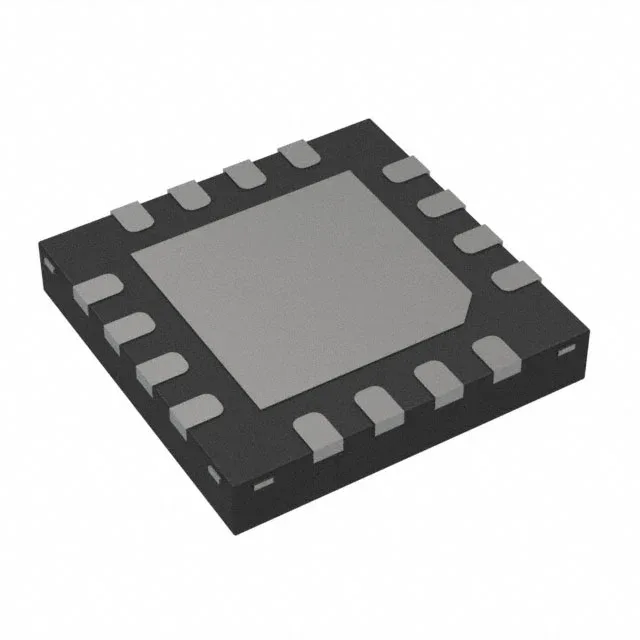
1024-tap non-volatile digital pot in 3x3 mm TQFN
The MAX5481ETE+ is a single-channel, 10 kΩ digital potentiometer with 1024 tap positions — that's 0.1% step resolution, fine enough for precision voltage dividers, sensor offset nulling, or programmable reference levels in a mixed-signal chain. The 3x3 mm 16-TQFN exposed-pad package fits dense analog or mixed-signal boards. The exposed paddle must be soldered to a thermal land on the PCB for heat sinking — the datasheet's recommended footprint is non-negotiable for reliable operation at the full temperature range.
SPI and up/down interface — pin-saving or daisy-chain
The MAX5481 supports both a standard SPI interface and a 3-wire up/down mode (U/D, INC, CS). The up/down mode uses only three GPIO pins on the microcontroller — useful when port count is tight. SPI mode allows daisy-chaining multiple digital pots on a single bus. The dual-supply option lets the wiper swing through ground — useful for bipolar analog circuits like programmable gain amplifiers or filter tuning.
Industrial temp range and temperature coefficient
The 35 ppm/°C typical temperature coefficient keeps the resistance drift under 0.35% across the full range, stable enough for calibration-grade trimmers.