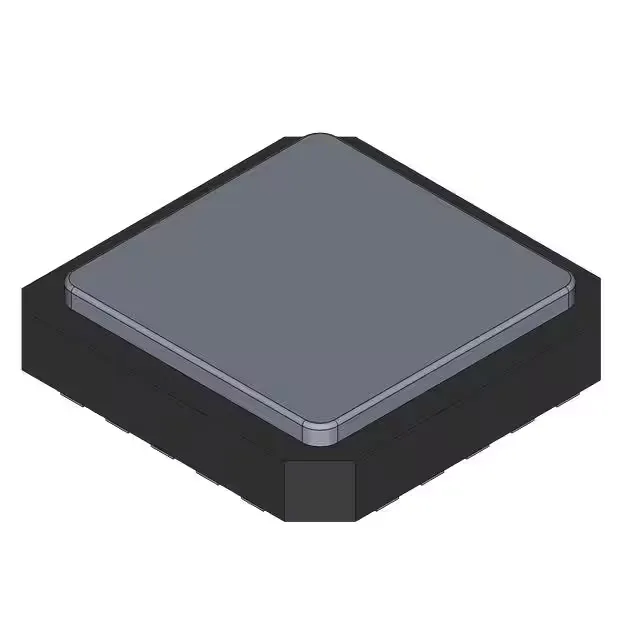
Analog Devices MAX4411ETP+ — Analog & Data Acquisition

MAX4411ETP+ Class AB Stereo Headphone Amp, 80mW, DirectDrive

MPNMAX4411ETP+
End of Life

Maxim Integrated MAX4411ETP+, Class AB stereo headphone amplifier, DirectDrive® series, 80mW x 2 into 16Ω, 1.8V-3.6V supply, -40°C to 85°C, 20-TQFN (4x4) exposed pad, surface mount.

$2.51Ref. price · indicative, final on quote
Packaging20-WFQFN Exposed Pad
RoHSROHS3 Compliant
SeriesDirectDrive®
Independent supplier — new & surplus stockAuthenticity-screened · ESD-safe packingListing updated Aug 2026

Specifications

MAX4411ETP+ specifications
ParameterValue
TypeClass AB
SeriesDirectDrive®
Output typeHeadphones, 2-Channel (Stereo)
MountingSurface Mount
Supply voltage1.8V ~ 3.6V
Max output power x channels @ load80mW x 2 @ 16Ohm
Operating temperature-40°C ~ 85°C (TA)
PackageTray
FeaturesDepop, Short-Circuit and Thermal Protection, Shutdown
Case20-WFQFN Exposed Pad

Product details

The MAX4411ETP+ is a Class AB stereo headphone amplifier from Maxim Integrated's DirectDrive® series, delivering 80 mW per channel into a 16 Ω load.

Built-in short-circuit and thermal protection mean the amplifier can survive a momentary output short or sustained high-drive without latching up or failing — a practical advantage in portable gear where headphone jacks get plugged and unplugged live. The Depop feature suppresses the audible pop on power-up and shutdown, which otherwise would require external muting circuitry.

The 20-TQFN (4x4 mm) with exposed pad is a compact, low-profile package. Surface-mount only.

Frequently asked questions

Does MAX4411ETP+ require external components?

The DirectDrive® architecture eliminates the need for large DC-blocking output capacitors. The part still requires supply bypass capacitors (typically 0.1 µF and 10 µF) and input coupling capacitors if the source has a DC offset. The datasheet application circuit shows the minimal external component count.

Can MAX4411ETP+ drive 32 ohm headphones?

Yes, the MAX4411ETP+ can drive 32 Ω headphones. Output power will be lower than into 16 Ω — approximately 40 mW per channel — which is still sufficient for typical listening levels with most consumer headphones.