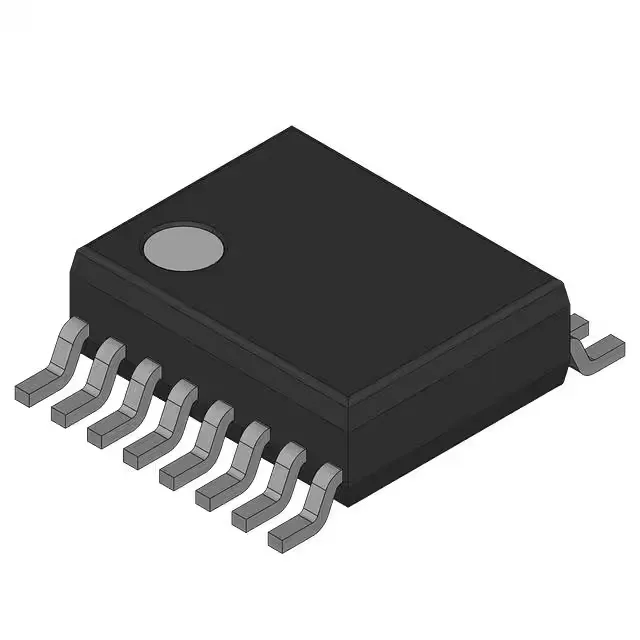
It sits between the transceiver and the controller, cleaning up jitter and restoring signal amplitude so the link budget closes across the full channel length. This is a physical-layer part for Fibre Channel networks, not a protocol processor or a switch fabric component.
The RoHS compliance status is non-compliant, so factor that into BOM regulatory screening — this part contains lead-bearing solder or materials that exempt it from RoHS, which is common for legacy telecom and datacom infrastructure builds where the exemption still applies.
What the RoHS status means for your BOM
RoHS non-compliant means this part cannot be used in new EU-market consumer electronics or medical devices without an exemption claim. For industrial Fibre Channel equipment, repair depots, or military/aerospace builds that are exempt from RoHS, the non-compliant status is often irrelevant or even preferred for solder-joint reliability in high-vibration environments.