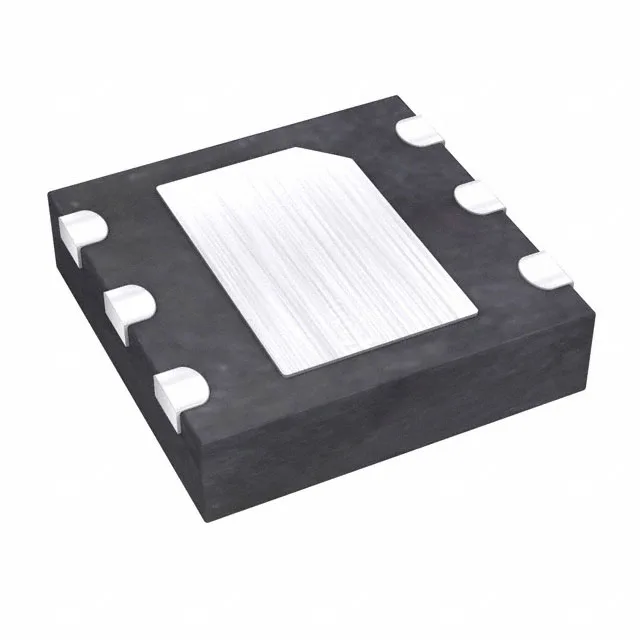
Analog Devices MAX16059ATT16+T — Analog & Data Acquisition

MAX16059ATT16+T Simple Reset/Power-On Reset

MPNMAX16059ATT16+T
End of Life

Maxim Integrated MAX16059ATT16+T Simple Reset/Power-On Reset, Active Low, Open Drain or Open Collector Output, 1.575V Threshold, Adjustable/Selectable Reset Timeout, -40°C to 125°C, 6-TDFN (3x3).

$4.39Ref. price · indicative, final on quote
Packaging6-WDFN Exposed Pad
RoHSROHS3 Compliant
Sourced new & surplus through independent channelsAuthenticity-screened · ESD-safe packingListing updated Aug 2026

Specifications

MAX16059ATT16+T specifications
ParameterValue
TypeSimple Reset/Power-On Reset
MountingSurface Mount
Voltage - threshold1.575V
Number of voltages monitored1
Operating temperature-40°C ~ 125°C (TA)
ResetActive Low
OutputOpen Drain or Open Collector
PackageTape & Reel (TR); Cut Tape (CT)
Reset timeoutAdjustable/Selectable
Case6-WDFN Exposed Pad

Product details

1.575V threshold supervisor for a single supply rail

The MAX16059ATT16+T monitors a single 1.575V threshold with an active-low, open-drain output. It is a Simple Reset/Power-On Reset type, asserting reset when the monitored voltage drops below the threshold and holding reset for an adjustable/selectable timeout after recovery.

Adjustable timeout — set it with one capacitor

Unlike fixed-timeout supervisors, the MAX16059ATT16+T lets you select the reset timeout period with an external capacitor on the CT pin. This is useful when the downstream MCU or FPGA needs a specific power-up sequence delay, or when you want to stretch the reset pulse to cover a slow-start regulator. The timeout is adjustable/selectable per the datasheet guidelines, so you are not locked into a single window.

ROHS3 compliant.

Frequently asked questions

Does MAX16059ATT16+T have an open-drain output?

Yes, the output is Open Drain or Open Collector, active low. This allows wired-OR connection and pull-up to any logic voltage within the device ratings.

What is the reset timeout range for MAX16059ATT16+T?

The reset timeout is adjustable/selectable via an external capacitor. The exact range depends on the capacitor value; refer to the datasheet for the timing formula and recommended capacitor range.