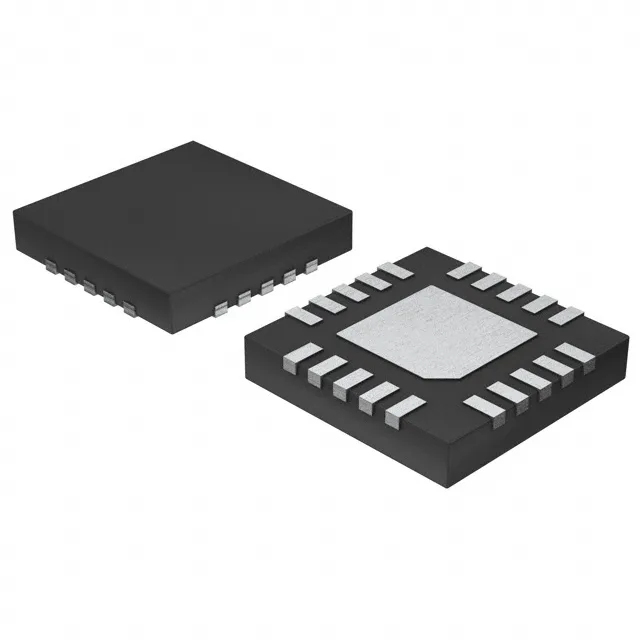
Analog Devices MAX16004ETP+ — DC-DC Power Modules

MAX16004ETP+ Multi-Voltage Supervisor, 6-Channel, Active Low

MPNMAX16004ETP+
End of Life

Analog Devices MAX16004ETP+, Multi-Voltage Supervisor, 6 Channel, Active Low, Open Drain/Open Collector Output, 20-TQFN (4x4), -40°C to 125°C.

$10.07Ref. price · indicative, final on quote
Packaging20-WFQFN Exposed Pad
RoHSROHS3 Compliant
Independent supplier — new & surplus stockAuthenticity-screened · ESD-safe packingListing updated Aug 2026

Specifications

MAX16004ETP+ specifications
ParameterValue
TypeMulti-Voltage Supervisor
MountingSurface Mount
Voltage - threshold6 Selectable Threshold Combinations
Number of voltages monitored6
Operating temperature-40°C ~ 125°C (TA)
ResetActive Low
OutputOpen Drain or Open Collector
PackageTube
Reset timeoutAdjustable/Selectable
Case20-WFQFN Exposed Pad

Product details

Six-rail supervisor in a 4×4 mm QFN

The MAX16004ETP+ is a 6-channel multi-voltage supervisor from Analog Devices (formerly Maxim Integrated) that monitors up to six supply rails with a single IC. It offers 6 selectable threshold combinations, letting one part number cover multiple voltage configurations on the board — useful for consolidating BOM line items in multi-rail systems like base stations, industrial controllers, or networking gear. The active-low, open-drain/collector reset output is compatible with the majority of MCUs, FPGAs, and SoCs that expect a low-true reset signal.

Reset timing and configurability

The reset timeout is adjustable/selectable, allowing the delay to be tuned to match downstream power-up settling.

Frequently asked questions

What is the output type of MAX16004ETP+?

The reset output is Active Low, open drain or open collector. It requires an external pull-up resistor to the logic supply rail; the open-drain structure allows wired-OR connection with other reset sources.

What is the MAX16004ETP+ used for?

It is a 6-channel multi-voltage supervisor that monitors up to six supply rails and asserts a reset signal when any rail falls below its programmed threshold. Typical applications include multi-rail systems in telecom infrastructure, industrial controllers, networking equipment, and automotive electronics where reliable power-up sequencing and brownout detection are required.