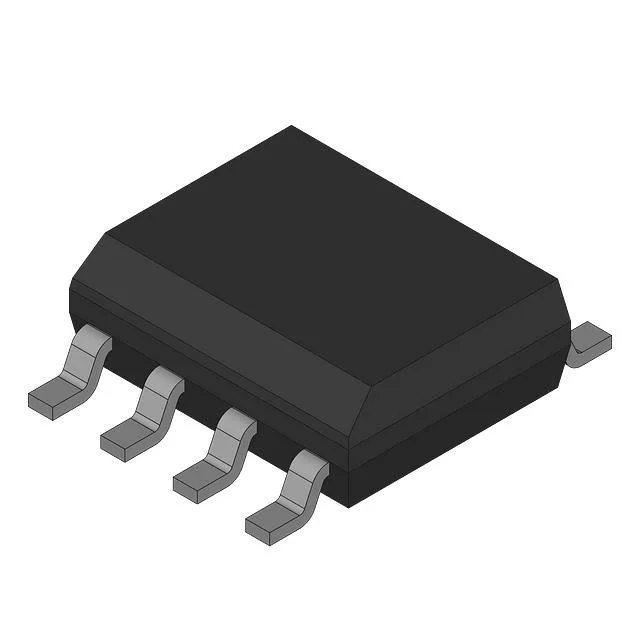
Analog Devices MAX1562HESA+ — DC-DC Power Modules

MAX1562HESA+ Current Switch, 4 A, 8-SOIC, Analog Devices

MPNMAX1562HESA+
End of Life

Analog Devices MAX1562HESA+ current switch IC, 4 A output, high/low-side sensing, surface-mount 8-SOIC package, -40 to 85°C operating temperature, ROHS3 compliant.

$3.1Ref. price · indicative, final on quote
Packaging8-SOIC (0.154", 3.90mm Width)
RoHSROHS3 Compliant
Sourced new & surplus through independent channelsAuthenticity-screened · ESD-safe packingListing updated Aug 2026

Specifications

MAX1562HESA+ specifications
ParameterValue
MountingSurface Mount
Output current4A
Operating temperature-40°C ~ 85°C (TA)
PackageTube
FunctionCurrent Switch
Case8-SOIC (0.154\", 3.90mm Width)
Sensing methodHigh/Low-Side

Product details

Current switch for overcurrent protection in power rails

The MAX1562HESA+ is a current switch IC from Analog Devices, designed to monitor and protect power rails by switching off when current exceeds a threshold — the 4 A output rating sets the load-handling ceiling for the protected circuit. It supports high-side or low-side sensing, meaning the sense resistor and the switch can be placed on either the supply or return path, giving layout flexibility for overcurrent protection in DC-DC power modules and point-of-load regulators.

Package and footprint integration

Supplied in tube packaging, suitable for low-to-medium volume pick-and-place lines; for high-volume tape-and-reel, confirm the order code suffix with the distributor at RFQ.

Fully ROHS3 compliant, meeting the current EU restriction-of-hazardous-substances directive for lead, mercury, cadmium, and phthalates — no exemption expiry to track.

Frequently asked questions

What is the output current rating of the MAX1562HESA+?

The MAX1562HESA+ is rated for 4 A continuous output current — this is the maximum load the internal switch can handle before the protection circuit trips.

Can the MAX1562HESA+ sense current on both the high side and low side?

Yes, the device supports both high-side and low-side sensing methods, allowing the designer to place the sense resistor on either the supply rail (high side) or return path (low side) depending on the circuit topology.