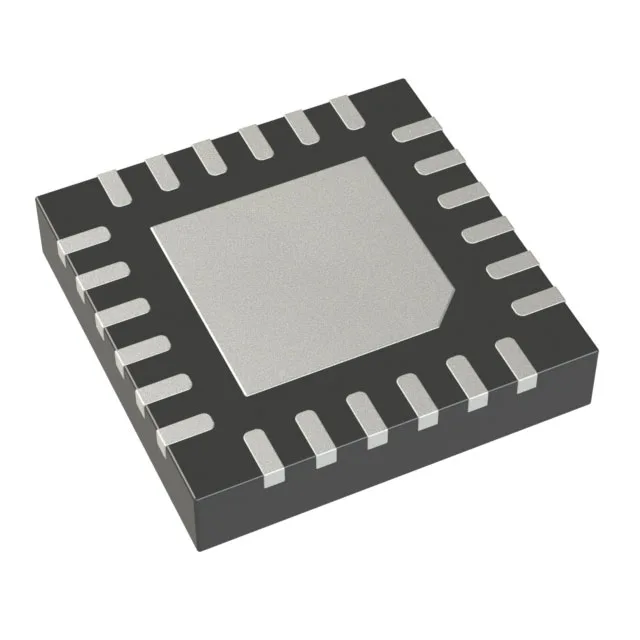
Analog Devices MAX15020ATP+T — DC-DC Power Modules

MAX15020ATP+T Buck Regulator, 2A, 7.5V-40V Input, 20-TQFN

MPNMAX15020ATP+T
End of Life

Analog Devices MAX15020ATP+T, Step-Down (Buck) Regulator, Adjustable Output, 2 A, 7.5 V to 40 V Input, 300-500 kHz Switching Frequency, 20-TQFN (5x5) Exposed Pad, -40 to 125 °C.

$9.83Ref. price · indicative, final on quote
Packaging20-WQFN Exposed Pad
RoHSROHS3 Compliant
Sourced new & surplus through independent channelsAuthenticity-screened · ESD-safe packingListing updated Aug 2026

Specifications

MAX15020ATP+T specifications
ParameterValue
Output typeAdjustable
MountingSurface Mount
Voltage - input7.5V
Voltage - output36V
Voltage - output (Min (Fixed))0.5V
Output current2A
Frequency300kHz ~ 500kHz
I/O channels1
Operating temperature-40°C ~ 125°C (TJ)
PackageTape & Reel (TR); Cut Tape (CT)
FunctionStep-Down
TopologyBuck
Case20-WQFN Exposed Pad
Output configurationPositive
Synchronous rectifierNo

Product details

MAX15020ATP+T — 40 V Input, 2 A Buck Regulator

It delivers an adjustable output from 0.5 V to 36 V from a 7.5 V to 40 V input supply. Rated for 2 A continuous output current, the part uses an external Schottky diode (non-synchronous topology) and switches between 300 kHz and 500 kHz, a range that balances inductor size against switching losses for most industrial loads.

Non-synchronous topology — BOM impact

Because the MAX15020ATP+T does not integrate synchronous rectification, the output stage requires an external Schottky catch diode. This adds one component to the BOM but avoids the high-side/low-side shoot-through protection complexity of a synchronous converter. For designs where light-load efficiency is secondary to simplicity and cost, the external diode approach is a practical trade-off.

Frequently asked questions

Does MAX15020ATP+T have synchronous rectification?

No, the MAX15020ATP+T is a non-synchronous buck regulator. An external Schottky catch diode is required in the output stage.