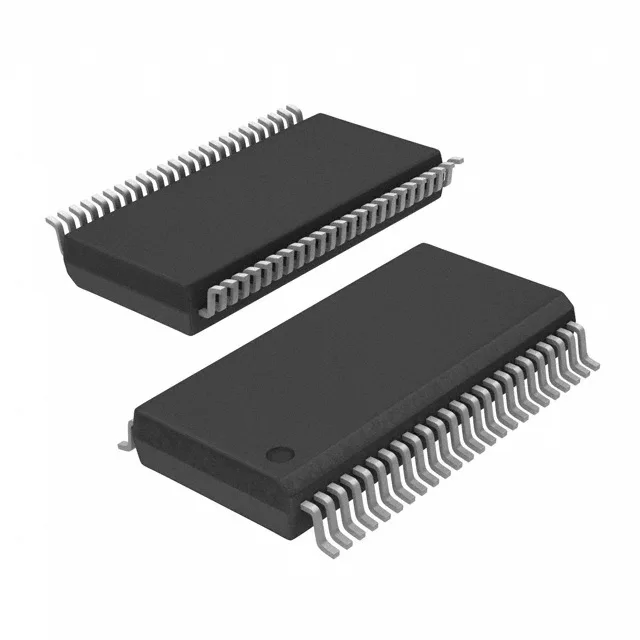
Analog Devices LTC6804HG-2#TRPBF — Discrete Semiconductors

LTC6804HG-2#TRPBF Battery Monitor, 1-12 Cells, -40 to 125°C

MPNLTC6804HG-2#TRPBF
End of Life

Analog Devices LTC6804 series multicell battery monitor, LTC6804HG-2#TRPBF, 1-12 cells, I²C/SPI interface, over/under voltage fault protection, -40°C to 125°C, 48-SSOP surface mount package, Tape & Reel.

$29.66Ref. price · indicative, final on quote
Packaging48-FSOP (0.209", 5.30mm Width)
RoHSROHS3 Compliant
Sourced new & surplus through independent channelsAuthenticity-screened · ESD-safe packingListing updated Aug 2026

Specifications

LTC6804HG-2#TRPBF specifications
ParameterValue
MountingSurface Mount
InterfaceI²C, SPI
Operating temperature-40°C ~ 125°C (TA)
PackageTape & Reel (TR); Cut Tape (CT)
FunctionBattery Monitor
Case48-FSOP (0.209\", 5.30mm Width)
Number of cells1 ~ 12
Fault protectionOver/Under Voltage
Battery chemistryMulti-Chemistry

Product details

Multicell battery monitor for extended temperature range

The LTC6804HG-2#TRPBF is a multicell battery monitor IC from the LTC6804 family, designed to measure up to 12 series-connected cells with a total measurement error of less than 1.2 mV. Integrated over/under voltage fault protection monitors each cell independently, reducing the need for external comparators in the analog front end. The I²C and SPI serial interfaces allow daisy-chaining multiple devices for high-voltage stacks without additional isolation components on the data path.

The surface-mount footprint matches the standard 48-FSOP land pattern, with the exposed paddle on the underside providing a low-thermal-resistance path to the PCB ground plane. The -2#TRPBF suffix denotes the SPI daisy-chain interface variant and reel packaging. For I²C-only applications, the -1#TRPBF variant uses the same package and pinout, so a single PCB layout supports both interface options.

Frequently asked questions

What is the difference between LTC6804HG-2#TRPBF and LTC6804IG-2#TRPBF?

Both use the same 48-SSOP package, pinout, and SPI daisy-chain interface, so a board designed for the IG variant accepts the HG variant without layout changes.