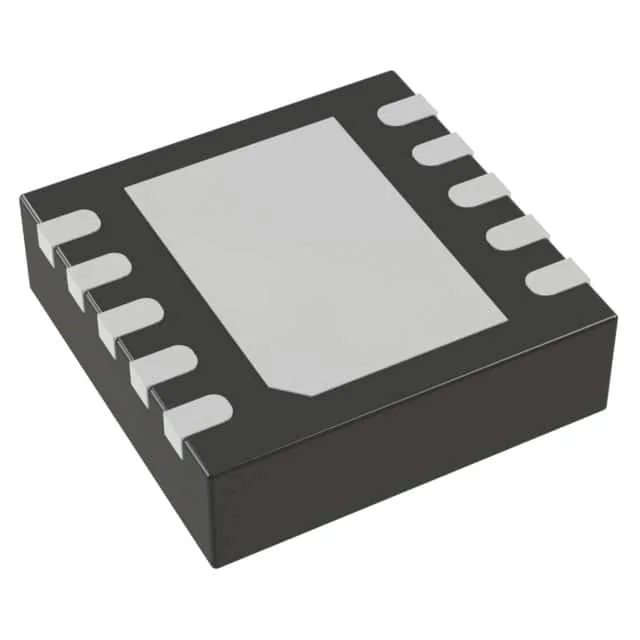
Analog Devices LTC4212CMS#PBF — Analog & Data Acquisition

LTC4212CMS#PBF Hot Swap Controller, 2.5-16.5V, 10-MSOP

MPNLTC4212CMS#PBF
End of Life

Analog Devices LTC4212CMS#PBF Hot Swap Controller, 2.5V to 16.5V supply, 1 mA supply current, 10-MSOP package, Tube.

$7.74Ref. price · indicative, final on quote
Packaging10-TFSOP, 10-MSOP (0.118", 3.00mm Width)
RoHSROHS3 Compliant
Sourced new & surplus through independent channelsAuthenticity-screened · ESD-safe packingListing updated Aug 2026

Specifications

LTC4212CMS#PBF specifications
ParameterValue
TypeHot Swap Controller
MountingSurface Mount
Voltage2.5V ~ 16.5V
Current - supply1 mA
Operating temperature0°C ~ 70°C
PackageTube
ApplicationsGeneral Purpose
Case10-TFSOP, 10-MSOP (0.118\", 3.00mm Width)
Internal switchNo
Channels1
Programmable featuresAuto Retry, Circuit Breaker, Current Limit, Fault Timeout, Latched Fault, OVP, UVLO

Product details

What this controller does on the board

The LTC4212CMS#PBF is a single-channel hot swap controller from Analog Devices that manages the inrush current and fault protection for a board being plugged into a live backplane. It sits between the supply rail and the load, driving an external N-channel MOSFET — there is no internal switch, so the pass FET is your choice based on the load current you need to handle. The controller itself draws 1 mA from the rail, so its own overhead is negligible in the power budget.

Programmable fault handling — the so-what

The programmable feature set includes UVLO, OVP, current limit, circuit breaker, fault timeout, and a choice between auto-retry and latched fault on overcurrent. This means you can set the undervoltage lockout threshold so the MOSFET stays off until the supply is stable, and the overvoltage protection clamps the gate if the rail spikes — both are set with external resistor dividers, not a digital interface. The circuit breaker and current limit work together: the current limit regulates the gate during startup to control inrush, and if the current stays above the limit for longer than the fault timeout, the breaker trips and the controller either retries automatically or latches off, depending on the pin strapping. This is the difference between a board that resets itself after a transient fault and one that stays dead until someone cycles power — choose the behavior that matches your system's fault recovery strategy.

Frequently asked questions

Does LTC4212CMS#PBF drop into a board designed for LTC4211CMS#PBF?

Yes, both parts share the same 10-MSOP package, single-channel architecture, and general-purpose application type. The LTC4212 adds the Auto Retry feature to the programmable set, which the LTC4211 lacks — otherwise the pinout and footprint are the same, so no board respin is needed.

What is the difference between LTC4212CMS#PBF and LTC4212IMS#PBF?

The only difference is the temperature grade. Both use the same 10-MSOP package, same supply range, and same programmable feature set.