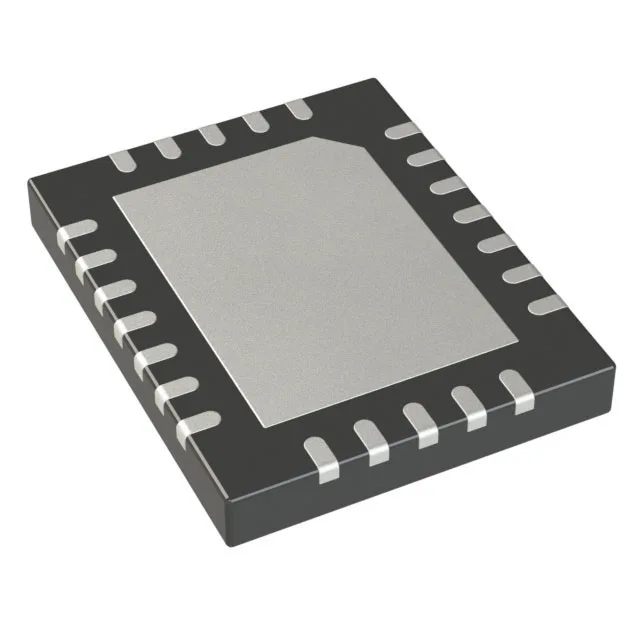
Analog Devices LTC3130IUDC-1#PBF — Logic ICs

LTC3130IUDC-1#PBF Buck-Boost Regulator, 600 mA, 20-QFN

MPNLTC3130IUDC-1#PBF
End of Life

Analog Devices LTC3130IUDC-1#PBF, Buck-Boost Regulator, Programmable Output, 600 mA, 1.2 MHz, Synchronous Rectifier, 20-QFN (3x4), -40°C to 125°C.

$10.65Ref. price · indicative, final on quote
Packaging20-WFQFN Exposed Pad
RoHSROHS3 Compliant
Independent supplier — new & surplus stockAuthenticity-screened · ESD-safe packingListing updated Aug 2026

Specifications

LTC3130IUDC-1#PBF specifications
ParameterValue
Output typeProgrammable
MountingSurface Mount
Voltage - input2.4V
Voltage - output (Min (Fixed))1.8V, 3.3V, 5V, 12V
Output current600mA
Frequency - switching1.2MHz
I/O channels1
Operating temperature-40°C ~ 125°C (TJ)
PackageTube
FunctionStep-Up/Step-Down
TopologyBuck-Boost
Case20-WFQFN Exposed Pad
Output configurationPositive
Synchronous rectifierYes

Product details

Buck-boost regulator for mixed-rail designs

The LTC3130IUDC-1#PBF is a single-inductor buck-boost switching regulator from Analog Devices that delivers a programmable output at up to 600 mA. Synchronous rectification keeps efficiency high without an external Schottky diode.

Output voltage selection and thermal design

The output is programmable via pin-strapping to one of four fixed voltages: 1.8 V, 3.3 V, 5 V, or 12 V. That saves a feedback divider and lets you change rails without a resistor spin. The 20-QFN package (3x4 mm) with exposed pad needs a good thermal via stitch under the paddle — at 600 mA continuous output from a low input, the junction can rise quickly.

It is ROHS3 compliant. No LTB risk or NRND flag applies.

Frequently asked questions

How does LTC3130IUDC-1#PBF compare to LTC3129?

The LTC3129 is a lower-power sibling with a 200 mA output rating, while the LTC3130IUDC-1#PBF delivers up to 600 mA. Both share the same buck-boost topology and wide input range, but the LTC3130 is the choice when the load exceeds 200 mA.

What is the typical efficiency of LTC3130IUDC-1#PBF?

Efficiency depends on input-to-output voltage ratio and load current. The datasheet provides typical curves; expect peak efficiency above 90% for moderate step-up/step-down ratios near 600 mA output. No single efficiency figure is listed in the summary specs.