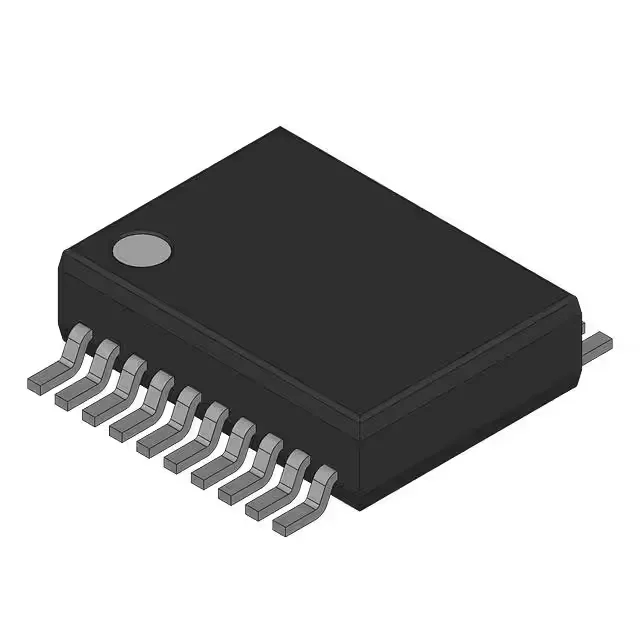
Analog Devices LTC2926IGN#PBF

LTC2926IGN#PBF Power Supply Controller, 2.9V-5.5V

MPNLTC2926IGN#PBF
End of Life

Analog Devices LTC2926IGN#PBF, MOSFET-Controller Power Supply Sequencer, 2.9V to 5.5V supply, 2.5 mA supply current, -40°C to 85°C, 20-SSOP (0.154", 3.90mm Width) package, Surface Mount.

$7.7Ref. price · indicative, final on quote
Packaging20-SSOP (0.154", 3.90mm Width)
Sourced new & surplus through independent channelsAuthenticity-screened · ESD-safe packingListing updated Jul 2026

Specifications

LTC2926IGN#PBF specifications
ParameterValue
MountingSurface Mount
Voltage2.9V ~ 5.5V
Current - supply2.5 mA
Operating temperature-40°C ~ 85°C
PackageBulk
ApplicationsPower Supply Controller
Case20-SSOP (0.154\", 3.90mm Width)

Product details

MOSFET-controller sequencer for multi-rail power-up

The LTC2926IGN#PBF is a MOSFET-controller power supply sequencer from Analog Devices, designed to manage the turn-on and turn-off order of multiple supply rails in a system. It controls external N-channel MOSFETs to sequence supplies between 2.9 V and 5.5 V, a range that covers common logic and I/O voltages in mixed-signal boards.

Supply rail and quiescent budget

The 2.5 mA supply current is the quiescent draw of the controller itself, not including the gate-drive charge delivered to the external MOSFETs during switching. In a system where the sequencer is always powered — such as a base-station card that must hold sequencing logic during a supply brownout — this 2.5 mA load sits on the always-on standby rail and factors into the system's sleep-mode power budget.

20-SSOP footprint and layout constraints

The 0.025-inch pin pitch requires a fine-tip soldering iron for hand rework or a standard reflow profile for production.

Frequently asked questions

What is the LTC2926IGN#PBF used for?

The LTC2926IGN#PBF is a MOSFET-controller power supply sequencer. It controls external N-channel MOSFETs to turn on and off multiple power supply rails in a defined order, preventing latch-up or damage in systems that require a specific power-up sequence — such as FPGAs, ASICs, processors, and mixed-signal boards with multiple voltage domains.