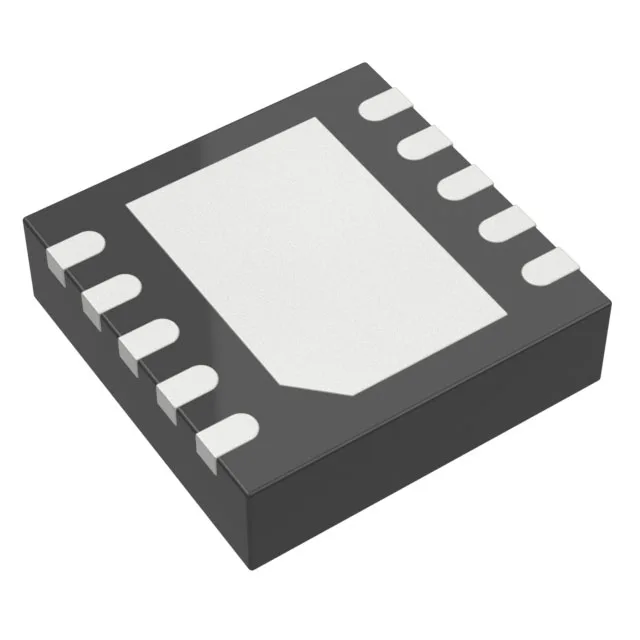
Analog Devices LT3757AIDD#PBF — Analog & Data Acquisition

LT3757AIDD#PBF Boost/Flyback/SEPIC Controller, 2.9V-40V

MPNLT3757AIDD#PBF
End of Life

Analog Devices LT3757AIDD#PBF current-mode PWM controller, boost/flyback/SEPIC topologies, 2.9V to 40V supply, 100kHz to 1MHz switching, -40°C to 125°C, 10-DFN (3x3) package.

$6.44Ref. price · indicative, final on quote
Packaging10-WFDFN Exposed Pad
RoHSROHS3 Compliant
Sourced new & surplus through independent channelsAuthenticity-screened · ESD-safe packingListing updated Aug 2026

Specifications

LT3757AIDD#PBF specifications
ParameterValue
Output typeTransistor Driver
MountingSurface Mount
Voltage - supply (Vcc (Vdd))2.9V ~ 40V
Frequency100kHz ~ 1MHz
I/O channels1
Output phases1
Operating temperature-40°C ~ 125°C (TJ)
PackageTube
FunctionStep-Up, Step-Up/Step-Down
TopologyBoost, Flyback, SEPIC
Clock syncYes
Case10-WFDFN Exposed Pad
Control featuresEnable, Frequency Control, Soft Start
Output configurationPositive and Negative
Synchronous rectifierNo

Product details

Multi-topology current-mode controller for 2.9V to 40V rails

The Analog Devices LT3757AIDD#PBF is a current-mode PWM controller that handles boost, flyback, and SEPIC topologies from a single 2.9V to 40V supply rail. It drives an external transistor (no synchronous rectifier) and delivers a single output configurable for positive or negative polarity. The 100kHz to 1MHz switching range lets you trade inductor size against efficiency, and the clock sync input keeps multiple rails phase-aligned on dense boards. Control features include enable, frequency control, and soft start.

Housed in a 10-WFDFN exposed pad package (3x3 mm, DFN-10), the LT3757AIDD#PBF is surface-mount and suited for compact power stages.

It is ROHS3 compliant.

Frequently asked questions

Can LT3757AIDD#PBF be used for a boost converter with synchronous rectification?

No, the LT3757AIDD#PBF does not include a synchronous rectifier driver. It is a transistor-driver output controller intended for use with an external MOSFET and diode. For synchronous rectification, you would need a different controller that provides a second gate drive output.