Sensor parametrics and bus-fit
The DS1631S+: The wide temperature span makes it suitable for industrial enclosures, automotive cabin monitoring, or cold-chain logging where the sensor must survive extremes while maintaining reasonable accuracy. The 11-bit resolution translates to roughly 0.125°C per LSB, adequate for most thermal management and environmental sensing tasks.
Programmable features and power modes
The DS1631S+ includes a One-Shot conversion mode for single-read operations, an output switch that can be configured as a thermostat or comparator, programmable temperature limit registers, and programmable resolution (9 to 12 bits). The Standby Mode reduces quiescent current between conversions, useful for battery-powered or low-power sensor nodes. These features allow the sensor to function as a standalone thermostat with hysteresis, or as a polled temperature monitor under firmware control. The programmable limit registers can trigger an alarm output without continuous microcontroller polling, reducing bus traffic and firmware overhead.
Package and board integration
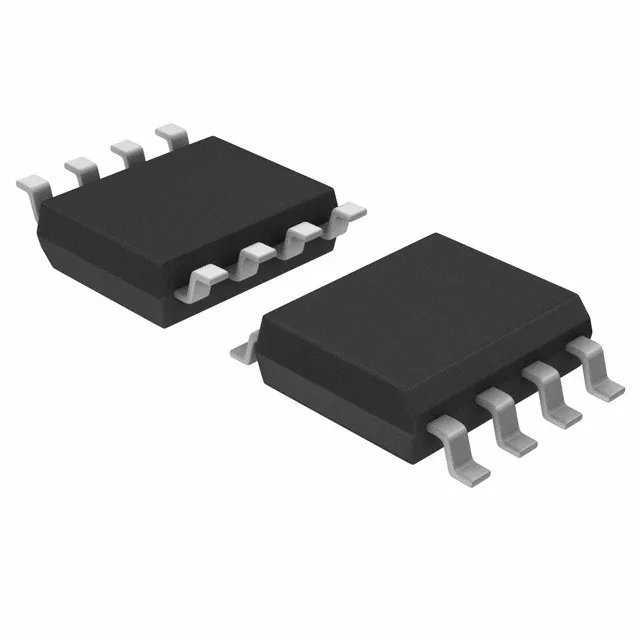
The tube packaging suits low-volume assembly or prototyping; for reel quantities, confirm availability at RFQ. The I²C interface requires only two pull-up resistors on SDA and SCL, plus a bypass capacitor near the supply pin. No external reference or compensation components are needed, keeping the BOM count low.