Analog Devices DS1267BS-050+ — Discrete Semiconductors

DS1267BS-050+ Digital Potentiometer, 50kΩ, 256 Taps, Linear

MPNDS1267BS-050+
End of Life

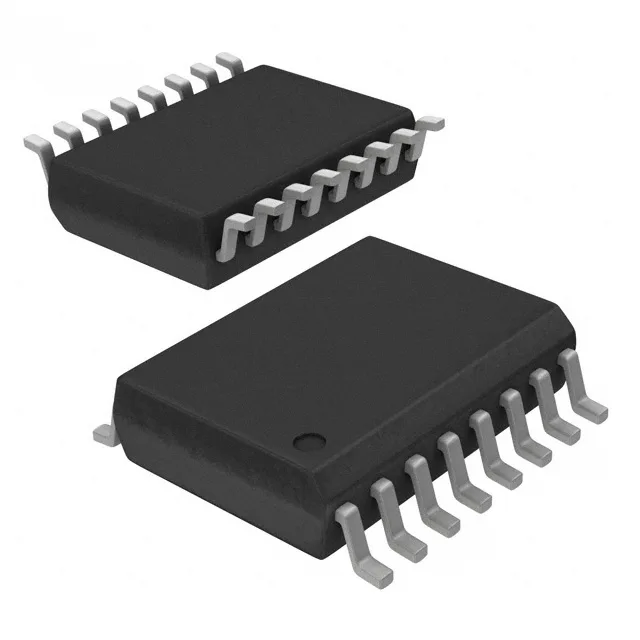
Maxim Integrated DS1267BS-050+, dual 50kΩ digital potentiometer, 256 taps, linear taper, serial interface, 5V supply, -40°C to 85°C, 16-SOIC package.

$9.47Ref. price · indicative, final on quote
Packaging16-SOIC (0.295", 7.50mm Width)
RoHSROHS3 Compliant
Sourced new & surplus through independent channelsAuthenticity-screened · ESD-safe packingListing updated Aug 2026

Specifications

DS1267BS-050+ specifications
ParameterValue
Memory typeVolatile
MountingSurface Mount
Voltage5V
InterfaceSerial
Operating temperature-40°C ~ 85°C
TaperLinear
PackageTube
FeaturesCascade Pin
Tolerance±20%
ConfigurationPotentiometer
Number of taps256
Case16-SOIC (0.295\", 7.50mm Width)
Resistance50k
Number of circuits2
Temperature coefficient750ppm/°C
Resistance - wiper (Ohms)900

Product details

Dual 50kΩ digital potentiometer with 256-tap resolution

The Maxim Integrated DS1267BS-050+ is a dual-channel, 256-tap digital potentiometer with a linear taper and 50kΩ end-to-end resistance. Each of the two independent potentiometer circuits is controlled via a serial interface, and a cascade pin allows daisy-chaining multiple devices without additional GPIO. The volatile memory type means wiper position is lost on power-down and must be re-initialized at startup — a consideration for designs that need a fixed default state on power-up.

The 16-SOIC footprint is a common industry standard, so board layout is stable across potential second-source candidates.

Frequently asked questions

What is DS1267BS-050+'s listed taper?

The taper is Linear, meaning the wiper resistance changes by equal steps per tap — suitable for volume control or linearized trim applications.

Can DS1267BS-050+ be used in audio volume control?

Yes, the linear taper and 256 taps provide adequate resolution for stereo volume control. The 900Ω wiper resistance and 750ppm/°C drift are manageable in line-level audio paths, but the volatile memory means the volume setting resets to mid-scale on power-up — a microcontroller must re-write the desired wiper position after each power cycle.