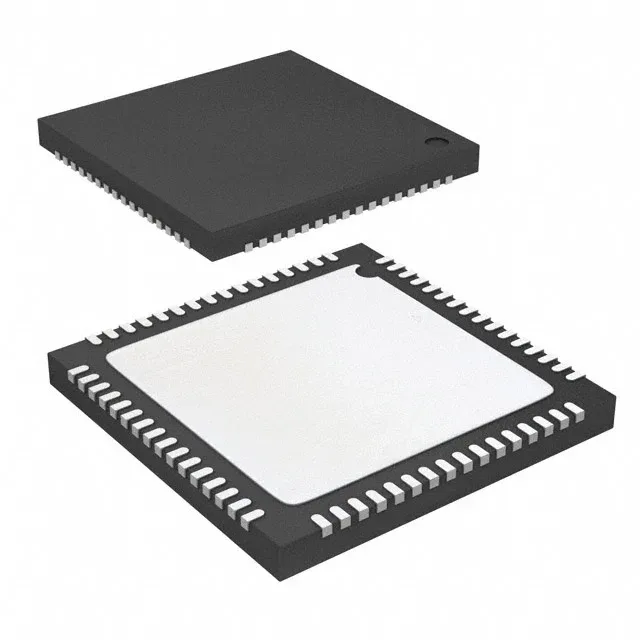
Analog Devices ADM1266ACPZ-R7 — Power Management (PMIC / Gate Driver)

ADM1266ACPZ-R7 Sequencer, 17-Channel, 64-LFCSP

MPNADM1266ACPZ-R7
End of Life

Analog Devices ADM1266ACPZ-R7 Sequencer, 17-channel voltage supervisor, open drain and push-pull outputs, 64-WFQFN exposed pad CSP, surface mount, -40°C to +85°C, tape and reel.

$31.33Ref. price · indicative, final on quote
Packaging64-WFQFN Exposed Pad, CSP
RoHSROHS3 Compliant
Independent supplier — new & surplus stockAuthenticity-screened · ESD-safe packingListing updated Aug 2026

Specifications

ADM1266ACPZ-R7 specifications
ParameterValue
TypeSequencer
MountingSurface Mount
Voltage - thresholdAdjustable/Selectable
Number of voltages monitored17
Operating temperature-40°C ~ 85°C (TJ)
OutputOpen Drain, Push-Pull
PackageTape & Reel (TR); Cut Tape (CT)
Case64-WFQFN Exposed Pad, CSP

Product details

17-channel sequencing with flexible output drive

The ADM1266ACPZ-R7 is a 17-channel voltage sequencer from Analog Devices, designed for managing power-up and power-down sequences in multi-rail systems. Its 17 monitored channels track each rail's threshold, with outputs configurable as open drain or push-pull to interface directly with enable pins on downstream converters or LDOs. The open-drain option allows wired-OR connections for fault sharing across multiple supervisors, while push-pull provides a clean logic-level drive without an external pull-up resistor — useful when driving the enable input of a buck converter that expects a rail-to-rail signal.

Package and thermal interface

Housed in a 64-WFQFN with exposed pad (64-LFCSP, 9x9 mm), the part relies on the central thermal pad soldered to a PCB copper plane for heat dissipation. The 0.5 mm pitch on the QFN perimeter demands careful solder-paste stencil design — a 4-mil step stencil with a 75-80% aperture reduction on the thermal pad area prevents solder bridging during reflow.

Frequently asked questions

What is ADM1266ACPZ-R7's listed output configuration?

The ADM1266ACPZ-R7 offers both open-drain and push-pull output options. Open-drain outputs can be wire-ORed for shared fault signaling, while push-pull outputs provide a direct rail-to-rail drive without external pull-up resistors.