Four SPST-NO switches in a 16-TSSOP — what the key specs mean for your signal path
The ADG712BRUZ from Analog Devices packs four independent SPST-NO analog switches into a 16-TSSOP package. Each switch presents a maximum 4-ohm on-resistance, which keeps insertion loss low in audio, sensor, and precision analog routing. The -3 dB bandwidth extends to 200 MHz, so this part can handle video or RF multiplexing without significant roll-off. Crosstalk between channels is rated at -90 dB at 10 MHz — a strong isolation figure that matters when you are switching multiple analog signals in a data-acquisition or test-equipment front end. Charge injection is specified at 3 pC, which is moderate; if your design samples a hold capacitor directly, budget for a short settling period after switching.
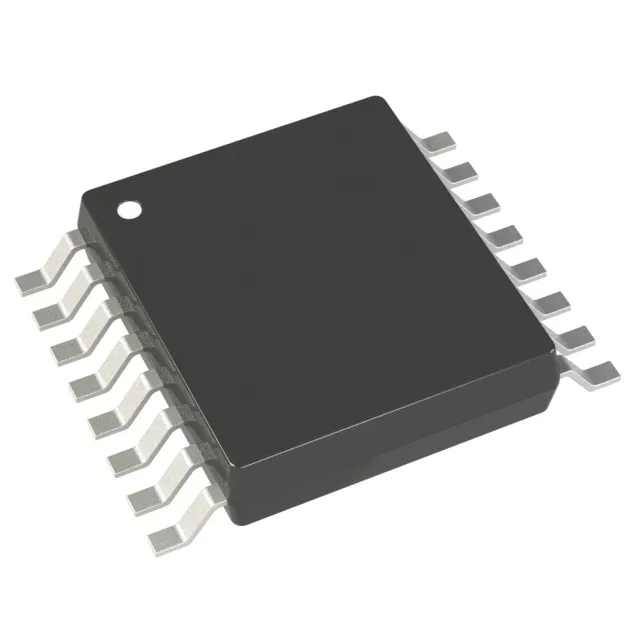
The 16-TSSOP body (4.40 mm width, 0.173" pitch) is a common footprint; verify your PCB land pattern matches the supplier device package outline before layout. The laser etch on the top mark should read ADG712 and a date-code; any sanding or re-marking is a red flag for counterfeit stock.
For procurement, this part is available through authorized distribution channels; however, given its popularity in analog signal-chain designs, gray-market stock with inconsistent date-codes does appear. When sourcing outside the authorized chain, request a date-code photo and verify the laser etch font matches Analog Devices' known marking standards for the 16-TSSOP package. A decap X-ray can confirm the die matches the ADG712 layout if provenance is in doubt.