Analog Devices AD744TH — Memory (DRAM / SRAM / Flash / EEPROM)

AD744TH JFET Op-Amp, 75 V/µs Slew Rate, TO-99-8

MPNAD744TH
End of Life

Analog Devices AD744TH, JFET op-amp, single circuit, 75 V/µs slew rate, 13 MHz gain bandwidth, 9–36 V supply, TO-99-8 metal can, -55°C to 125°C.

$15.66Ref. price · indicative, final on quote
PackagingTO-99-8 Metal Can
StockContact for availability
MOQ1 pcs
  • 100% new & originalTraceable channels only — no refurbs, no pulls, no remarked parts.
  • Date & lot codes on quoteStated per line before you commit; label photos on request.
  • MSL-compliant ESD packingMoisture-sealed bags with indicator cards; reels photo-verified.
  • PayPal buyer protectionPay by T/T, PayPal or Payoneer — card payments covered end to end.

Specifications

AD744TH Technical Specifications
ParameterValue
Mounting typeThrough Hole
Amplifier typeJ-FET
Voltage - input offset250 µV
Voltage - supply span36 V
Current - supply3.5mA
Current - input bias30 pA
Current - output (Channel)25 mA
Operating temperature-55°C ~ 125°C
-3db bandwidth13 MHz
Gain bandwidth product13 MHz
PackageBulk
Slew rate75V/µs
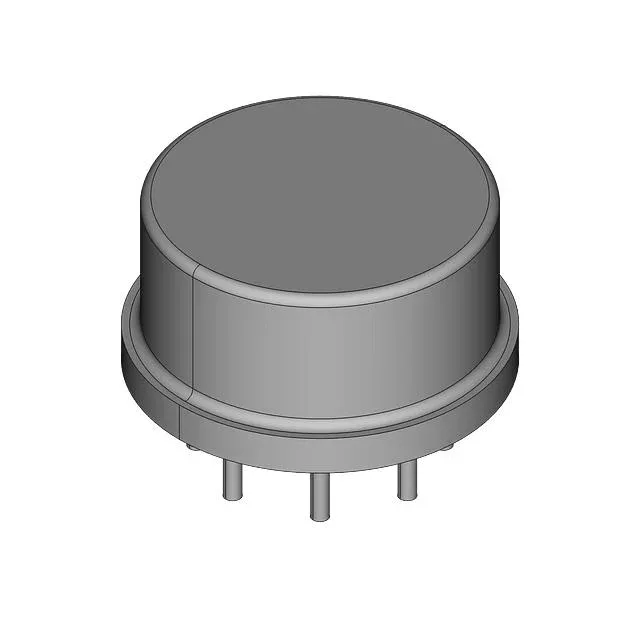
CaseTO-99-8 Metal Can
Number of circuits1

Product details

Fast JFET op-amp in a hermetic can

The AD744TH from Analog Devices is a single JFET-input operational amplifier delivering a 75 V/µs slew rate and 13 MHz gain-bandwidth product. It operates from a 9 V to 36 V supply span and draws 3.5 mA quiescent current. The 30 pA input bias current and 250 µV input offset voltage suit precision signal conditioning in high-impedance sensor interfaces. Housed in a TO-99-8 metal can, it is rated for the full military temperature range of -55°C to 125°C, making it a candidate for avionics, satellite, and downhole instrumentation where hermetic sealing and wide thermal margin are required.

75 V/µs slew rate — what it means for the signal path

The 75 V/µs slew rate is the standout rating on this part. For comparison, the AD712KNZ and AD711JRZ-REEL7 — both JFET op-amps — are spec'd at 20 V/µs. The AD744TH's higher slew rate supports faster settling and larger signal swings at higher frequencies, which matters in waveform generation, fast ADC drivers, or pulse-processing front-ends where the slower sibling would introduce slew-induced distortion.

Package and temperature grade — deployment reality

The TO-99-8 metal can is a through-hole package. It is not a surface-mount footprint, so it requires board holes and manual or wave-solder assembly. The metal can provides a hermetic seal and better thermal dissipation than plastic DIP or SOIC packages. The -55°C to 125°C operating range covers military, aerospace, and industrial extremes — the part is not limited to commercial 0°C to 70°C environments. If your BOM calls for a plastic surface-mount JFET op-amp, the AD711JRZ-REEL7 or AD711KRZ-REEL7 are surface-mount alternatives, but they are rated only 0°C to 70°C and lack the hermetic seal.

Lifecycle and sourcing

The AD744TH carries an active lifecycle status per the manufacturer. It is RoHS non-compliant, so verify your assembly's RoHS exemption or accept the non-compliant status for high-reliability / military contracts where lead-bearing solder is still permitted. The part is sourced through independent distribution and quoted to order against an RFQ.

Frequently asked questions

What is the AD744TH slew rate?

The AD744TH has a slew rate of 75 V/µs.

What is the equivalent of AD744TH?

The AD712KNZ is a dual JFET op-amp with a 20 V/µs slew rate and 0°C to 70°C range — not a direct pin-for-pin replacement, but a functional alternative in the same JFET family if the higher slew rate and military temperature range are not required. The AD711JRZ-REEL7 and AD711KRZ-REEL7 are single surface-mount JFET op-amps with 20 V/µs slew rate and 0°C to 70°C range.

Can AD744TH replace a standard JFET op amp?

Yes, the AD744TH is a standard JFET op-amp and can replace another single JFET op-amp in a TO-99-8 package, provided the supply voltage (9 V to 36 V), slew rate (75 V/µs), and temperature range (-55°C to 125°C) meet the design requirements.