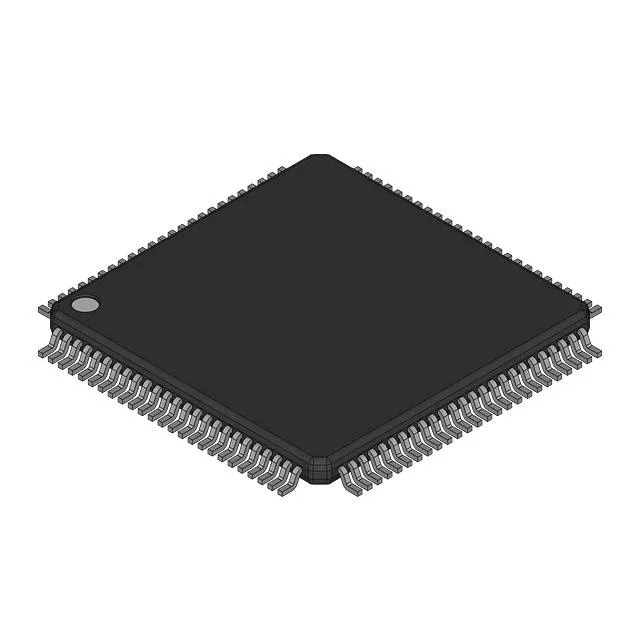
Renesas Electronics 71V3559S75PFG — Memory (DRAM / SRAM / Flash / EEPROM)

Renesas 71V3559S75PFG SRAM, 4.5Mbit, 7.5 ns, 100-TQFP

MPN71V3559S75PFG
End of Life

Renesas Electronics 71V3559S75PFG synchronous ZBT SRAM, 4.5Mbit, 256K x 18 organization, 7.5 ns access time, 3.135V-3.465V supply, 0°C to 70°C, 100-TQFP (14x14), Bulk.

$4.26Ref. price · indicative, final on quote
Packaging100-LQFP
Independent supplier — new & surplus stockAuthenticity-screened · ESD-safe packingListing updated Aug 2026

Specifications

71V3559S75PFG specifications
ParameterValue
Memory typeVolatile
MountingSurface Mount
Supply voltage3.135V ~ 3.465V
Memory interfaceParallel
Operating temperature0°C ~ 70°C (TA)
PackageBulk
TechnologySRAM - Synchronous, SDR (ZBT)
Access time7.5 ns
Memory size4.5Mbit
Memory formatSRAM
Case100-LQFP
Memory organization256K x 18

Product details

4.5Mbit synchronous ZBT SRAM — 7.5 ns access, 256K x 18

The Renesas 71V3559S75PFG is a 4.5Mbit synchronous SRAM organized as 256K x 18 bits, using Zero Bus Turnaround (ZBT) technology for back-to-back read/write cycles without dead cycles on the bus. With a 7.5 ns access time and a parallel interface, this part suits high-speed cache, buffer, and look-up table applications where the memory bus must keep up with a fast processor or ASIC without wait states.

Supply rails and temperature grade

Operates from a single 3.3V supply (3.135V to 3.465V), which aligns with standard 3.3V logic families — no separate Vddq rail needed.

100-TQFP package — board-fit for layout

Housed in a 100-lead TQFP (14x14 mm body, 0.5 mm pitch), surface-mount. The fine pitch demands careful fan-out — a 4-layer board with via-in-pad or dogbone breakout is typical for signal integrity. The supplier device package is 100-TQFP (14x14), which matches the standard JEDEC MO-136 footprint; no exotic land pattern required.

Frequently asked questions

What is the memory organization and access time of 71V3559S75PFG?

Organized as 256K x 18 bits (4.5Mbit total) with a 7.5 ns access time. The ZBT synchronous interface allows continuous read/write without bus-turnaround dead cycles.