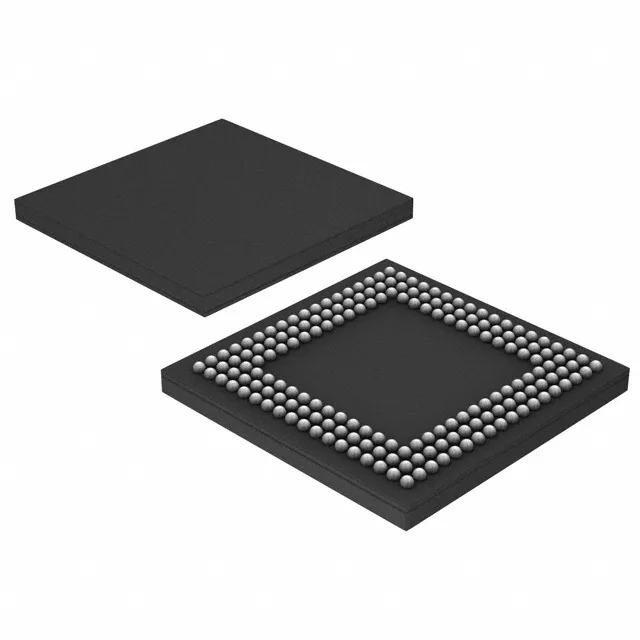
NXP USA Inc. LPC54628J512ET180E — Microcontrollers & Processors (MCU / MPU / DSP)

NXP LPC54628J512ET180E MCU, ARM Cortex-M4 220MHz, 512KB Flash, 180-TFBGA

MPNLPC54628J512ET180E
Active

NXP LPC54628J512ET180E, ARM Cortex-M4 single-core at 220MHz, 512KB FLASH, 200KB SRAM, 16KB EEPROM, 145 GPIO, Ethernet/USB/CANbus/SPI/I2C/USART, 1.71–3.6V supply, -40°C to 105°C, 180-TFBGA (12×12mm) tray.

$13.4100Ref. price · indicative, final on quote
Packaging180-TFBGA
StockContact for availability
MOQ1 pcs
  • 100% new & originalTraceable channels only — no refurbs, no pulls, no remarked parts.
  • Date & lot codes on quoteStated per line before you commit; label photos on request.
  • MSL-compliant ESD packingMoisture-sealed bags with indicator cards; reels photo-verified.
  • PayPal buyer protectionPay by T/T, PayPal or Payoneer — card payments covered end to end.

Specifications

LPC54628J512ET180E Technical Specifications
ParameterValue
SeriesLPC546xx
Mounting typeSurface Mount
Oscillator typeInternal
Program memory typeFLASH
Voltage - supply (Vcc (Vdd))1.71V ~ 3.6V
Operating temperature-40°C ~ 105°C (TA)
Speed220MHz
PackageTray
RAM size200K x 8
Core size32-Bit Single-Core
EEPROM size16K x 8
PeripheralsBrown-out Detect/Reset, DMA, I²S, LCD, POR, PWM, WDT
ConnectivityCANbus, Ethernet, I²C, SPI, UART/USART, USB
Number of i (O)145
Core processorARM® Cortex®-M4
Case180-TFBGA
Data convertersA/D 12x12b
Program memory size512KB (512K x 8)

Frequently asked questions

Is the LPC54628J512ET180E pin-compatible with the 180-pin LQFP variant of the same die?

No. The 180-TFBGA package (12×12mm, 0.5mm pitch) is electrically and mechanically distinct from the 180-pin LQFP — they share the same die but not the same footprint. A board designed for the LQFP cannot accept this TFBGA part without a layout spin.

Can the 16K×8 EEPROM region be used for calibration data without affecting the program flash?

Yes. The 16K×8 EEPROM is a dedicated non-volatile storage region separate from the 512KB program FLASH, so calibration constants and device configuration data can be stored there without consuming firmware flash pages or requiring software EEPROM emulation.