10 µH at 700 mA — the DC bias trade-off
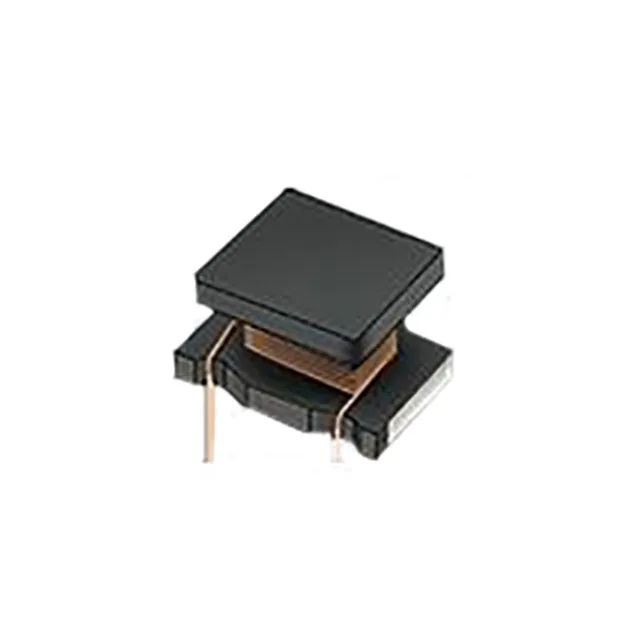
This Murata LQH32PN100MN0L is a 10 µH shielded wirewound inductor in the 1210 (3225 Metric) footprint. The headline numbers to check against your rail are the 700 mA rated current and the 750 mA saturation current — they are close, which means the core starts saturating just above the continuous rating. In a buck converter output filter, the peak inductor current during a load transient can clip that saturation ceiling, so the design margin is tighter than on parts where Isat runs 1.5× the rated current. The 456 mOhm max DCR is the DC winding resistance — at 700 mA the copper loss is about 0.22 W, which for a 1210 body means the temperature rise inside the shield is non-trivial. If your board has adjacent heat sources or restricted airflow, the 85°C operating limit tightens further.
Shielding and self-resonant ceiling
The ferrite core and shield can are one assembly — the shield reduces magnetic field coupling into nearby traces or other inductors, which matters when the inductor sits next to a sensitive analog front-end or a second rail. The trade-off is that the shield also increases eddy-current losses at higher frequencies. The self-resonant frequency is 30 MHz. Above that the inductor behaves capacitively, so the useful band stops well below 30 MHz — typically you want the switching frequency of your converter to be at least a decade below SRF to keep the impedance inductive. For a 2.2 MHz switcher, that is fine; for a 12 MHz converter, the margin disappears.