Clamping voltage and surge current — what the ratings mean for the BOM
The 1.5KE9.1CA-TP: This is the clamping voltage that a downstream IC's absolute-maximum rating must survive — if the protected device has a 14V abs-max on its supply pin, the 13.4V clamp provides margin. The 113.4A peak pulse current handling means the diode absorbs substantial surge energy without failing short, which is the failure mode for a TVS.
Automotive qualification and operating temperature range
The 1500W peak pulse power is specified at 25°C; derate above that per the datasheet curve. At 175°C junction, the power handling drops to roughly 25% of the 25°C rating, so the actual surge capability in a hot environment is lower than the headline 1500W figure — budget accordingly for the worst-case operating temperature.
Package and rework — DO-201AE axial lead
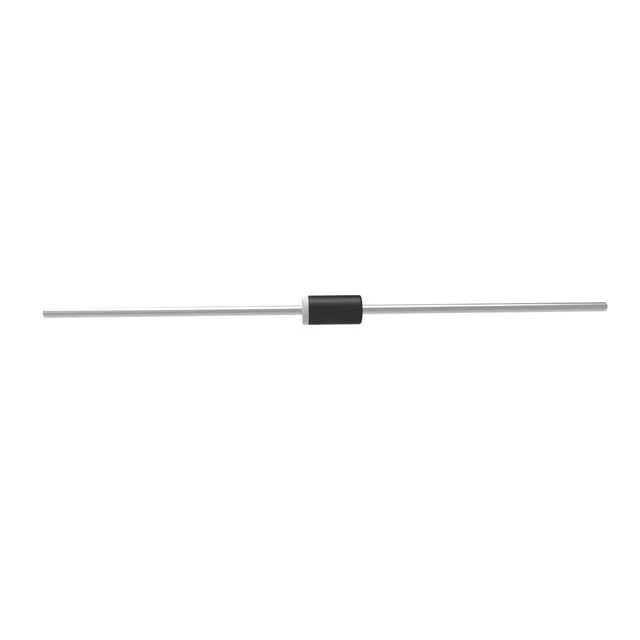
The DO-201AE axial-lead through-hole package is straightforward to hand-solder or rework — no hot-air profile needed, just a clean soldering iron and flux. The body is large enough to read the marking clearly, and the bidirectional nature means no polarity orientation to get wrong during assembly or replacement. Through-hole mounting suits boards where the TVS sits near a terminal block or high-current trace that would stress a surface-mount solder joint under repeated surge events. The axial leads handle the mechanical strain of the pulse better than a small SMD package.