What the voltage ratings mean for your protection circuit
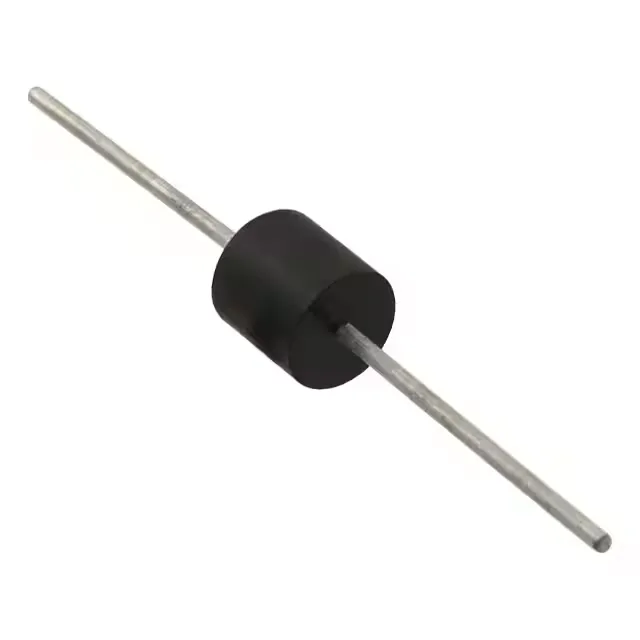
The 5KP16A-TP: The 16V reverse standoff is the maximum working voltage the Zener sees in normal operation — the protected rail should sit at or below this level. The 17.8V minimum breakdown is where conduction begins, and the 26V clamping maximum at peak pulse current is what reaches the downstream load during a surge event. On a 12V or 15V rail, a 16V standoff part sits comfortably in the normal window with headroom to spare, but a designer must confirm the downstream IC or MOSFET gate can survive a 26V transient spike if the clamping event fully unfolds.
5 kW peak pulse — what the surge energy budget requires
5 kW peak pulse (5 kW) is the clamped power the device can absorb for the defined pulse width in the datasheet curve. This puts it in the mid-range TVS class — larger than a 600W SMCJ but smaller than a 15 kW industrial unit. The relevant check is whether the surge amplitude and duration in your environment (IEC 61000-4-5 curve set, or a known load-dump profile) stay within the device's peak pulse envelope. If the surge exceeds the rated pulse width, the actual clamped voltage rises and the energy absorbed climbs accordingly.