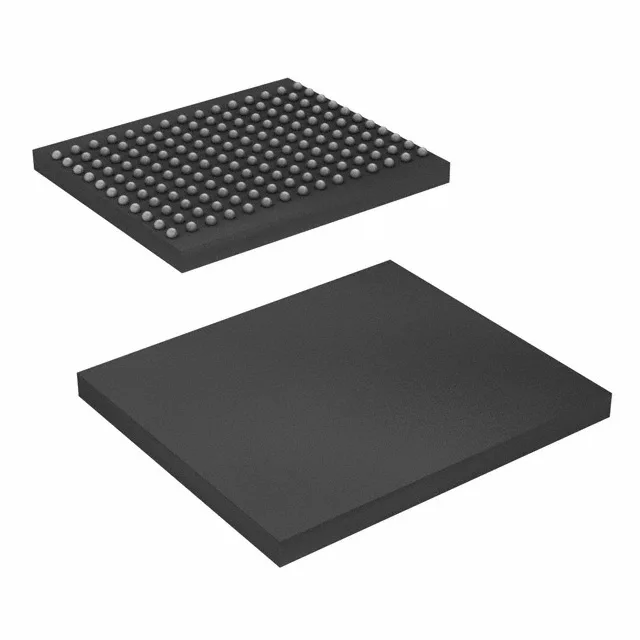
Infineon Technologies CY7C2568XV18-633BZXC — Memory (DRAM / SRAM / Flash / EEPROM)

Infineon CY7C2568XV18-633BZXC QDR-II+ SRAM, 72 Mbit, 633 MHz

MPNCY7C2568XV18-633BZXC
End of Life

Infineon CY7C2568XV18-633BZXC QDR-II+ synchronous SRAM, 72 Mbit, 633 MHz clock, 4M x 18 organization, parallel interface, 1.7 V supply, 165-FBGA, 0°C to 70°C commercial temperature.

$487.5000Ref. price · indicative, final on quote
Independent supplier — new & surplus stockAuthenticity-screened · ESD-safe packingListing updated Aug 2026

Specifications

CY7C2568XV18-633BZXC specifications
ParameterValue
Memory typeVolatile
MountingSurface Mount
Supply voltage1.7V ~ 1.9V
Clock frequency633 MHz
Memory interfaceParallel
Operating temperature0°C ~ 70°C (TA)
PackageTray
TechnologySRAM - Synchronous, DDR II+
Memory size72Mbit
Memory formatSRAM
Case165-LBGA
Memory organization4M x 18

Product details

633 MHz QDR-II+ SRAM for high-throughput designs

The Infineon CY7C2568XV18-633BZXC is a 72 Mbit QDR-II+ synchronous SRAM organized as 4M x 18 bits, clocked at 633 MHz over a parallel interface. This double-data-rate architecture transfers data on both edges, giving it effective throughput well above single-data-rate parts at the same pin count. It operates from a 1.7 V supply and comes in a 165-FBGA (13x15 mm) surface-mount package.

What the 633 MHz clock buys you

Compared to the 2M x 36 CY7C2565XV18-633BZC, this part trades bus width for depth: 4M words instead of 2M, but with an 18-bit data bus instead of 36. Choose this one when the system needs deeper addressing per chip-select rather than a wider word fetch per cycle.

Not for outdoor enclosures, automotive engine bays, or factory-floor cabinets without additional thermal management.

Frequently asked questions

Will the CY7C2568XV18-633BZXC drop into a board designed for the CY7C25632KV18-550BZC?

Both parts share the same 72 Mbit density, 4M x 18 organization, 1.7 V supply, and 165-FBGA package, so they are footprint-compatible. The key difference is clock speed: 633 MHz vs 550 MHz. Timing margin must be rechecked at the higher rate.