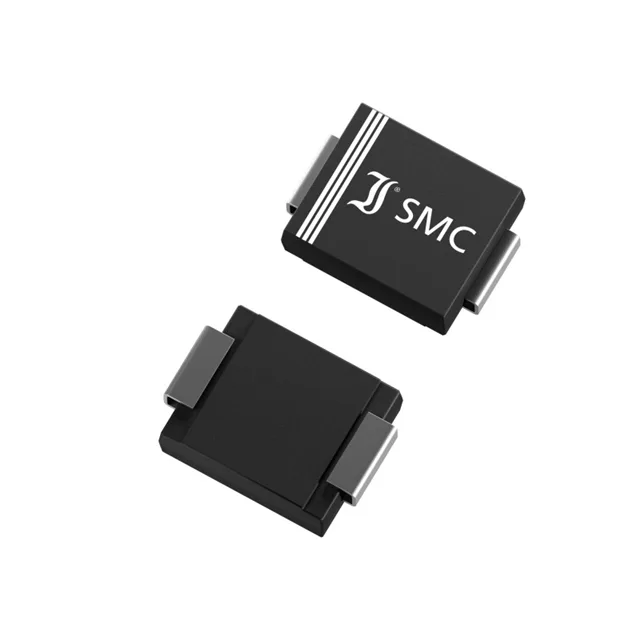
Diotec Semiconductor 1.5SMCJ78A — Circuit Protection

Diotec 1.5SMCJ78A TVS Diode, 78V Standoff, 126V Clamping

MPN1.5SMCJ78A
Active

Diotec Semiconductor Zener TVS diode, 1.5SMCJ78A, unidirectional, 78V standoff, 86.7V breakdown min, 126V clamping max, 11.9A peak pulse, 1500W, -50°C to 150°C junction, DO-214AB SMC surface mount.

$0.9158Ref. price · indicative, final on quote
Sourced new & surplus through independent channelsAuthenticity-screened · ESD-safe packingListing updated Aug 2026

Specifications

1.5SMCJ78A specifications
ParameterValue
TypeZener
MountingSurface Mount
Voltage - breakdown86.7V
Voltage - clamping (Max) @ ipp126V
Voltage - reverse standoff78V
Current - peak pulse (10/1000μs)11.9A
Power - peak pulse1500W (1.5kW)
Power line protectionNo
Operating temperature-50°C~150°C(TJ)
PackageStrip
ApplicationsGeneral Purpose
CaseDO-214AB, SMC
Unidirectional channels1

Product details

Clamping and peak pulse ratings

The 1.5SMCJ78A: The 78 V standoff rating defines the working voltage below which the diode stays off — the clamp does not engage until the transient exceeds 86.7 V breakdown. At 11.9 A through the clamping element the voltage is forced to 126 V, which is the ceiling the downstream circuitry must survive.

Temperature range and application envelope

The listed application is General Purpose, which covers boardside clamp, input protection, and load-dump suppression without a specified safety or automotive qualification grade. If the design carries an AEC-Q requirement, confirm the Diotec automotive grade line before committing this part to a safety-critical node.

Frequently asked questions

What is the closest alternative to the 1.5SMCJ78A in this TVS family?

The DO-214AB unidirectional 1500 W TVS family spans a range of standoff voltages; the closest parametric match depends on the required standoff and clamping ceiling. Cross-reference against the same SMC footprint with the same polarity — verify the standoff voltage, clamping voltage, and peak pulse current before substituting, as these parameters govern the protection window for the specific circuit.