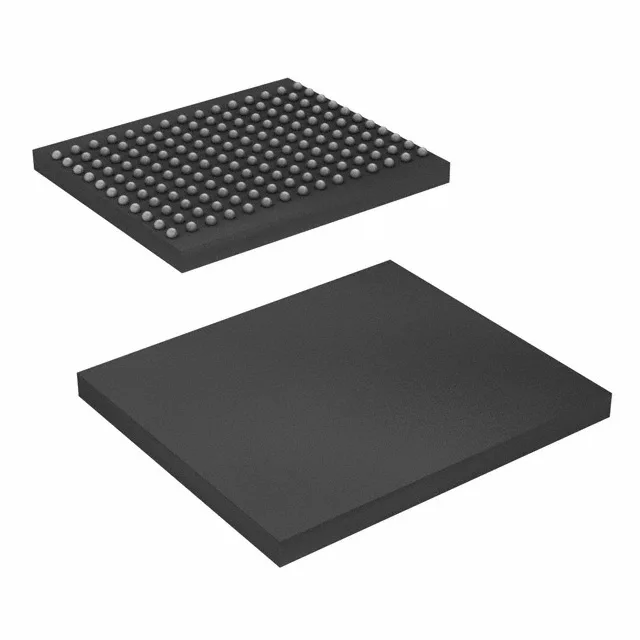
Cypress Semiconductor Corp CY7C25632KV18-500BZC — Memory (DRAM / SRAM / Flash / EEPROM)

Cypress CY7C25632KV18-500BZC 72Mbit QDR II+ SRAM, 500 MHz

MPNCY7C25632KV18-500BZC
Active

Cypress CY7C25632KV18-500BZC, 72Mbit synchronous QDR II+ SRAM, 4M×18 organization, 500 MHz clock, 1.7–1.9 V supply, 165-FBGA (13x15), 0°C to 70°C.

$304.8100Ref. price · indicative, final on quote
Independent supplier — new & surplus stockAuthenticity-screened · ESD-safe packingListing updated Jul 2026

Specifications

CY7C25632KV18-500BZC specifications
ParameterValue
Memory typeVolatile
MountingSurface Mount
Supply voltage1.7V ~ 1.9V
Clock frequency500 MHz
Memory interfaceParallel
Operating temperature0°C ~ 70°C (TA)
PackageBulk
TechnologySRAM - Synchronous, QDR II+
Memory size72Mbit
Memory formatSRAM
Case165-LBGA
Memory organization4M x 18

Product details

72Mbit QDR II+ SRAM at 500 MHz — what the clock rate means for the bus

The Cypress CY7C25632KV18-500BZC is a 72Mbit synchronous QDR II+ SRAM organized as 4M×18, clocked at 500 MHz. That clock rate sets the read/write throughput for the memory bus — at 500 MHz, the QDR II+ architecture delivers back-to-back transactions on both clock edges, eliminating the dead cycles a standard SRAM would incur during bus-turnaround. For a line buffer in a network switch or a cache in a test instrument, that means the memory keeps up with the data rate without inserting wait states.

Temperature grade and environment — indoor only

That limits it to indoor, temperature-controlled environments — server rooms, lab equipment, telecom central offices with HVAC. Same 4M×18 organization, same 165-FBGA footprint, but the extended temperature range adds margin for thermal cycling and ambient heat.

Package and footprint — 165-FBGA (13x15)

The 165-FBGA package measures 13x15 mm.

Frequently asked questions

Will CY7C25632KV18-500BZC drop into a board laid out for CY7C25632KV18-550BZC?

Yes, the 500 MHz and 550 MHz variants share the same 165-FBGA (13x15) footprint and the same 4M×18 organization. The only difference is the maximum clock rate — 500 MHz vs 550 MHz. If the board's timing closure was validated at 500 MHz, the -500BZC is a drop-in replacement.