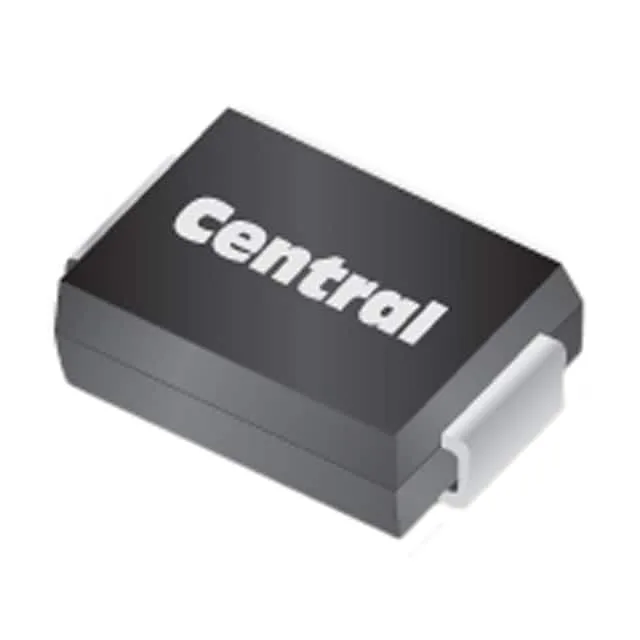
Central Semiconductor Corp 1.5SMC75A TR13 PBFREE — Circuit Protection

1.5SMC75A TR13 PBFREE Zener TVS Diode, DO-214AB SMC, 64.1V

MPN1.5SMC75A TR13 PBFREE
Active

Central Semiconductor Corp Zener TVS diode, unidirectional, 64.1V standoff, 71.3V min breakdown, 103V max clamping, 14.6A peak pulse, 1500W peak pulse power, DO-214AB SMC surface-mount, tape & reel, -65°C to 150°C junction.

$0.2951Ref. price · indicative, final on quote
Independent supplier — new & surplus stockAuthenticity-screened · ESD-safe packingListing updated Aug 2026

Specifications

1.5SMC75A TR13 PBFREE specifications
ParameterValue
TypeZener
MountingSurface Mount
Voltage - breakdown71.3V
Voltage - clamping (Max) @ ipp103V
Voltage - reverse standoff64.1V
Current - peak pulse (10/1000μs)14.6A
Power - peak pulse1500W (1.5kW)
Power line protectionNo
Operating temperature-65°C~150°C(TJ)
PackageTape & Reel (TR)
ApplicationsGeneral Purpose
CaseDO-214AB, SMC
Unidirectional channels1

Product details

Transient voltage suppression — what the clamping numbers mean

The 1.5SMC75A TR13 PBFREE: This is a unidirectional TVS Zener rated at 64.1V standoff, meaning the circuit runs normally with up to 64.1V applied without the diode conducting — that is the working rail ceiling for the protected line. At that rating, the 14.6A peak pulse current flows through the diode during the event, and the clamping voltage of 103V reflects the dynamic resistance under surge conditions, not a steady-state condition.

DO-214AB SMC — where it lands on the board

The DO-214AB (SMC) is a common medium-power TVS footprint — its claw-style terminations sit on a copper pad that must handle the diode's thermal rise under surge. The exposed die attach tab under the body conducts heat to the board pad; for repeated surge events the board-level thermal design matters more than the die itself. Delivered in tape-and-reel (TR13) — the SMC is a standard pick-and-place package for automated assembly, compatible with most reel feeders at 330mm tape diameter. No through-hole reflow constraints; surface-mount profile follows standard lead-free reflow.

Wide junction temperature — suitability for demanding environments

For a general-purpose TVS in an industrial control or power-supply input stage, that thermal envelope covers most closed-panel environments.

Frequently asked questions

What is the difference between the standoff voltage and the clamping voltage on a TVS diode like 1.5SMC75A?

The standoff voltage (64.1V) is the maximum working voltage the circuit can run at without the diode conducting; the clamping voltage (103V max) is the voltage ceiling the diode enforces during a transient event — the downstream circuitry must survive 103V for the duration of the surge, which is why the clamping spec, not the standoff, determines what the protected load actually sees.