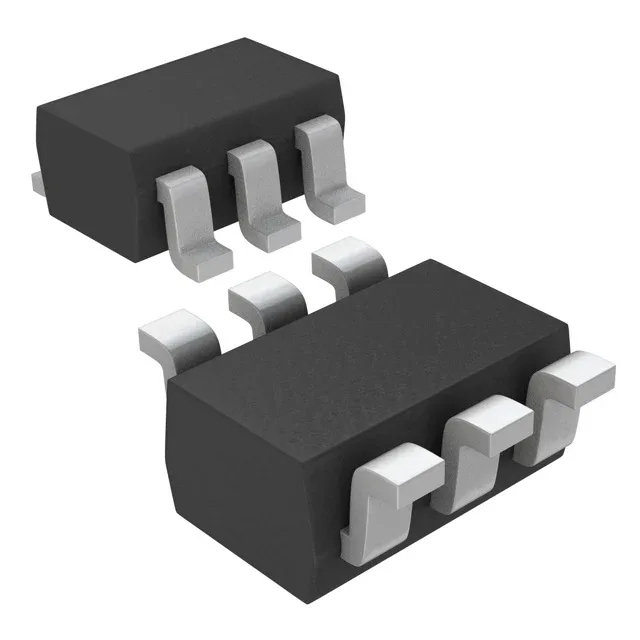
Analog Devices MAX4231AXT+T — Microcontrollers & Processors (MCU / MPU / DSP)

MAX4231AXT+T Analog Devices Op Amp, SC-70-6, 10 MHz

MPNMAX4231AXT+T
End of Life

Analog Devices MAX4231AXT+T general-purpose op amp, SC-70-6 package, 10 MHz gain-bandwidth, 10V/µs slew rate, rail-to-rail output, single circuit.

$1.85Ref. price · indicative, final on quote
Packaging6-TSSOP, SC-88, SOT-363
StockContact for availability
MOQ1 pcs
  • 100% new & originalTraceable channels only — no refurbs, no pulls, no remarked parts.
  • Date & lot codes on quoteStated per line before you commit; label photos on request.
  • MSL-compliant ESD packingMoisture-sealed bags with indicator cards; reels photo-verified.
  • PayPal buyer protectionPay by T/T, PayPal or Payoneer — card payments covered end to end.

Specifications

MAX4231AXT+T Technical Specifications
ParameterValue
Output typeRail-to-Rail
Mounting typeSurface Mount
Amplifier typeGeneral Purpose
Voltage - input offset850 µV
Voltage - supply span5.5 V
Current - supply1.2mA
Current - input bias50 pA
Operating temperature-40°C ~ 125°C
Gain bandwidth product10 MHz
PackageTape & Reel (TR); Cut Tape (CT)
Slew rate10V/µs
Case6-TSSOP, SC-88, SOT-363
Number of circuits1

Product details

What the 10 MHz gain-bandwidth and 10V/µs slew rate mean for your signal chain

The MAX4231AXT+T is a single-circuit general-purpose op amp from Analog Devices, packaged in a 6-lead SC-70-6. Its 10 MHz gain-bandwidth product and 10V/µs slew rate suit it for conditioning signals up to the low-MHz range — think sensor amplification, active filters, or ADC driver stages where the input frequency stays below a few hundred kHz before gain-bandwidth limits set in. This matters in battery-powered or low-voltage systems where every millivolt of headroom counts.

Active production and compliance status

The supply current of 1.2 mA keeps the power budget modest, and the input bias current of 50 pA means it loads high-impedance sources negligibly.

It can sit in an outdoor telecom enclosure, an engine-bay sensor interface, or a factory-floor I/O module without derating concerns. The input offset voltage is 850 µV maximum — not an ultra-precision figure, but adequate for general-purpose amplification where the signal level is tens of millivolts or higher. For sub-millivolt sensor front-ends, a lower-offset amplifier would be a better fit.