Analog Devices MAX14970ETP+ — Interface & Transceivers

MAX14970ETP+ eSATA Redriver, 6 Gbps, 2-Ch, 20-TQFN

MPNMAX14970ETP+
End of Life

Analog Devices MAX14970ETP+ Buffer, ReDriver, 2-channel, 6 Gbps, eSATA, 240 ps delay, 20-TQFN Exposed Pad, Tray.

$9.93Ref. price · indicative, final on quote
Packaging20-WFQFN Exposed Pad
RoHSROHS3 Compliant
Sourced new & surplus through independent channelsAuthenticity-screened · ESD-safe packingListing updated Aug 2026

Specifications

MAX14970ETP+ specifications
ParameterValue
TypeBuffer, ReDriver
MountingSurface Mount
Voltage3V ~ 3.6V
Current - supply70mA
Operating temperature-40°C ~ 85°C
PackageTray
Delay time240ps
ApplicationseSATA
Case20-WFQFN Exposed Pad
Data rate6Gbps
Channels2
Signal conditioningInput Equalization, Output Pre-Emphasis

Product details

6 Gbps eSATA redriver — what the 240 ps delay and signal conditioning mean for your link budget

The MAX14970ETP+ is a 2-channel buffer/redriver from Analog Devices, purpose-built for eSATA interfaces running at data rates up to 6 Gbps. The 240 ps typical propagation delay sets the timing budget for the receive-side equalisation window — at 6 Gbps the unit interval is 166 ps, so this redriver adds roughly 1.4 UI of latency, well within the retimer-less eSATA link margin. On-board input equalisation and output pre-emphasis compensate for the PCB trace and connector losses characteristic of eSATA cables up to 2 metres, letting the redriver sit at the host or device side of the link without a separate equaliser IC.

Package, layout, and temperature grade for the BOM line

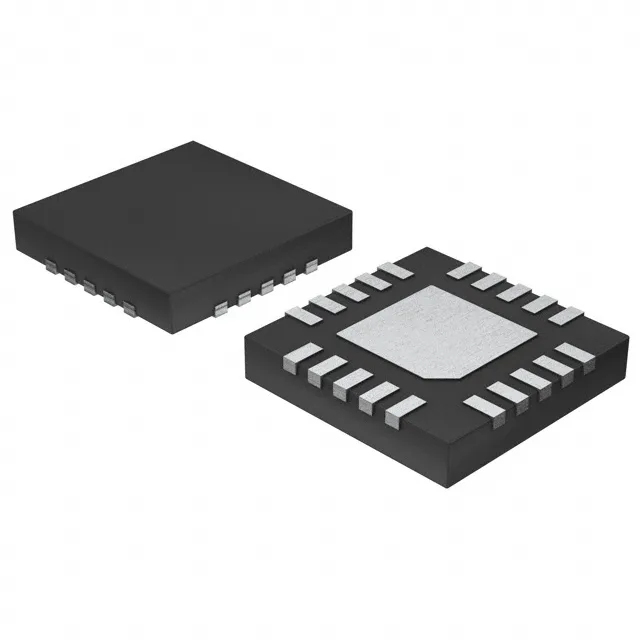
Surface-mount assembly with a tray shipping medium; the 4x4 mm QFN footprint is a standard layout for high-speed redrivers, and the 0.5 mm pitch eases fan-out on a 4-layer board.

Frequently asked questions

What compliance documentation does Analog Devices provide for MAX14970ETP+?

The part is ROHS3 compliant. Standard documentation includes the datasheet, PCN history, and a material declaration — these are available through the Analog Devices website or upon request with your RFQ.