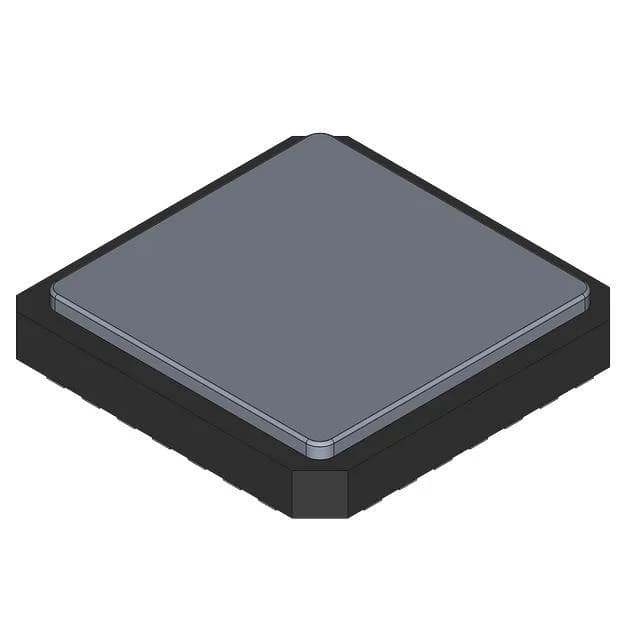
AMD (Xilinx) AM93L422/BUA — Memory (DRAM / SRAM / Flash / EEPROM)

AMD AM93L422/BUA 1Kbit Parallel SRAM, 75 ns, -55 to 125 °C

MPNAM93L422/BUA
End of Life

AMD AM93L422/BUA, 1Kbit parallel SRAM, 256 x 4 organization, 75 ns access time, 4.5 V supply, -55 to 125 °C, 28-pin ceramic CLCC, surface mount.

$67.61Ref. price · indicative, final on quote
StockContact for availability
MOQ1 pcs
  • 100% new & originalTraceable channels only — no refurbs, no pulls, no remarked parts.
  • Date & lot codes on quoteStated per line before you commit; label photos on request.
  • MSL-compliant ESD packingMoisture-sealed bags with indicator cards; reels photo-verified.
  • PayPal buyer protectionPay by T/T, PayPal or Payoneer — card payments covered end to end.

Specifications

AM93L422/BUA Technical Specifications
ParameterValue
Interface_typeParallel
Mounting_typeSurface Mount
Operating temperature high-55°C to 125°C (TA)
Frame_size1Kbit
Access time75 ns
Memory_typeVolatile
Package_typeBulk
Memory formatRAM
Supply_voltage_v4.5
Memory organization256 x 4

Product details

What this part is and where it fits

The AMD AM93L422/BUA is a 1Kbit parallel SRAM organized as 256 x 4 bits, with a 75 ns access time and a 4.5 V supply rail. It comes in a 28-pin ceramic CLCC package rated for the full military temperature range of -55 to 125 °C. This is a volatile memory device—data is lost at power-off—intended for high-reliability applications where a small, fast scratchpad or register file is needed, such as avionics, satellite, or downhole instrumentation. The ceramic hermetic package survives sealed environments and aggressive thermal cycling.

Lifecycle and sourcing

The AM93L422/BUA carries an active lifecycle status, meaning AMD continues to manufacture it. There is no last-time-buy or EOL notice.

Frequently asked questions

Will the AM93L422/BUA drop into a panel specified around the AM27S07A/BFA?

No. The AM93L422/BUA is 1Kbit (256 x 4) and the AM27S07A/BFA is 64 bits (16 x 4). The pinouts are not compatible, and the access times differ (75 ns vs 30 ns). Rewiring and a board layout change are required.