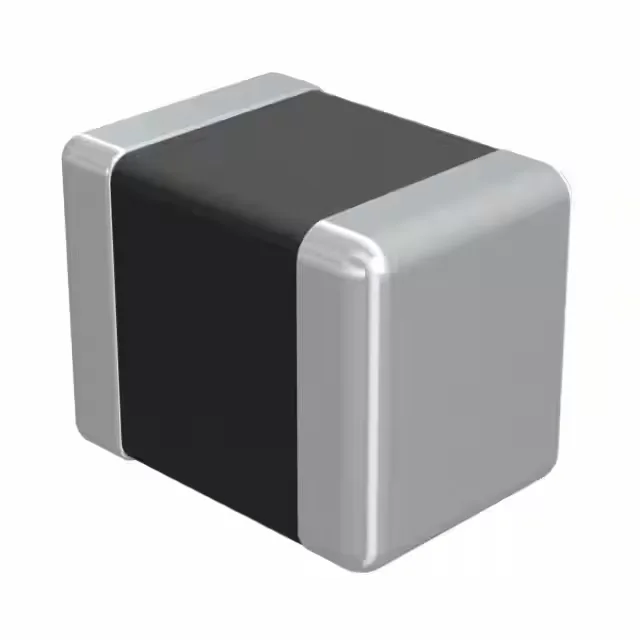
Taiyo Yuden LBC2518T220MV — Inductors & Chokes

Taiyo Yuden LBC2518T220MV 22 µH Wirewound Inductor, 250 mA

MPNLBC2518T220MV
Active

Taiyo Yuden LB, C Type wirewound inductor, LBC2518T220MV, 22 µH, ±20%, 250 mA, 1.001 Ohm DCR, 1007 (2518 Metric) surface mount, unshielded.

$0.1260Ref. price · indicative, final on quote
Sourced new & surplus through independent channelsAuthenticity-screened · ESD-safe packingListing updated Aug 2026

Specifications

LBC2518T220MV specifications
ParameterValue
TypeWirewound
SeriesLB, C Type
MountingSurface Mount
Current rating250 mA
Frequency - self resonant19MHz
Inductance frequency - test2.52 MHz
Operating temperature-40°C~105°C
Size (Dimension)0.098\" L x 0.071\" W (2.50mm x 1.80mm)
Height - seated0.079\" (2.00mm)
PackageTape & Reel (TR)
ShieldingUnshielded
Tolerance±20%
Inductance22 µH
Case1007 (2518 Metric)
DC resistance1.001Ohm Max

Product details

22 µH wirewound inductor for DC-DC filtering and bias-T circuits

The LBC2518T220MV is a 22 µH wirewound inductor from Taiyo Yuden's LB, C Type series, rated for 250 mA continuous current with a maximum DC resistance of 1.001 Ohm. Its self-resonant frequency of 19 MHz sets the upper bound for effective filtering — above this frequency the inductor behaves capacitively, so it is best suited for switching regulators and bias-T networks operating below 10 MHz. The unshielded construction means the magnetic field is not contained within a ferrite shield — adjacent traces or components within a few millimeters may couple noise, so layout separation is required in dense power rails.

1007 package — footprint and temperature range

Rated for operation from -40°C to 105°C, covering industrial and automotive under-hood ambient conditions without derating.

Frequently asked questions

Where can I buy LBC2518T220MV and how do I get a price?

Submit a request for current pricing and availability — confirmed at quote time.

What is the self-resonant frequency of LBC2518T220MV?

The self-resonant frequency is 19 MHz — above this frequency the inductor behaves capacitively, so it is best suited for switching regulators and bias-T networks operating below 10 MHz.