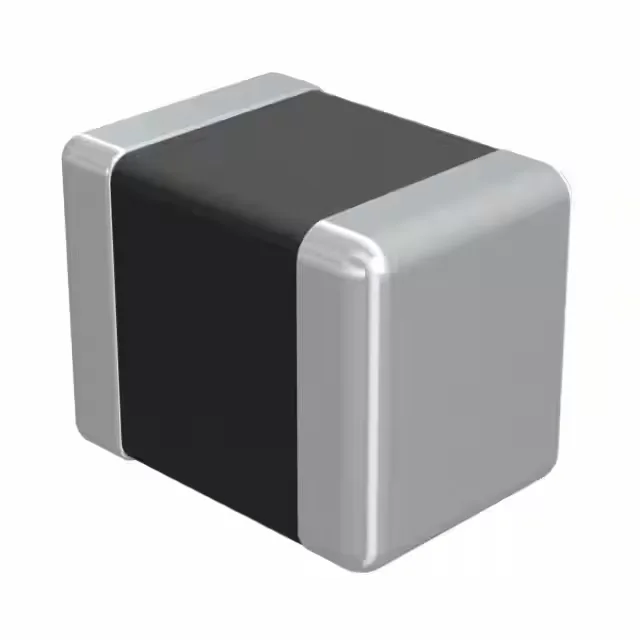
Taiyo Yuden LBC2518T101KV — Inductors & Chokes

Taiyo Yuden LBC2518T101KV 100 µH Wirewound Inductor, 125 mA

MPNLBC2518T101KV
Active

Taiyo Yuden LB, C Type wirewound inductor, LBC2518T101KV, 100 µH ±10%, 125 mA, 4.81 Ohm DCR, unshielded, 1007 (2518 Metric) surface-mount package.

$0.1260Ref. price · indicative, final on quote
Sourced new & surplus through independent channelsAuthenticity-screened · ESD-safe packingListing updated Aug 2026

Specifications

LBC2518T101KV specifications
ParameterValue
TypeWirewound
SeriesLB, C Type
MountingSurface Mount
Current rating125 mA
Frequency - self resonant9MHz
Inductance frequency - test796 kHz
Operating temperature-40°C~105°C
Size (Dimension)0.098\" L x 0.071\" W (2.50mm x 1.80mm)
Height - seated0.079\" (2.00mm)
PackageTape & Reel (TR)
ShieldingUnshielded
Tolerance±10%
Inductance100 µH
Case1007 (2518 Metric)
DC resistance4.81Ohm Max

Product details

100 µH wirewound, 125 mA — the DC resistance tells you the copper loss

The LBC2518T101KV is a wirewound inductor in Taiyo Yuden's LB, C Type series, offering 100 µH inductance with ±10% tolerance. Its 125 mA current rating is the continuous DC current at which the temperature rise stays within the part's limits — but the real constraint for a BOM engineer is the 4.81 Ohm max DCR. At 125 mA, copper loss is I²R = 0.125² × 4.81 ≈ 75 mW, which is manageable in the 1007 package; at lower currents the loss drops proportionally, so the DCR figure is the one to budget against the thermal environment. Unshielded construction means the magnetic field is not contained within a ferrite shield — keep this inductor at least a few millimetres from sensitive analog traces, other magnetics, or low-level signal paths to avoid coupling. The self-resonant frequency of 9 MHz marks the upper bound for inductive behaviour; above that the parasitic winding capacitance dominates and the part looks capacitive. For typical DC-DC converter or filter applications, stay well below 9 MHz.

Industrial temperature range and surface-mount footprint

The supplier device package is the same 1007 (2518 Metric) footprint, so no extra land-pattern guesswork. Inductance is tested at 796 kHz, a common test frequency for power inductors in this range. The ±10% tolerance is standard for general-purpose filtering and energy storage; if your design requires tighter inductance tolerance (e.g. for resonant circuits), consider a ±5% or ±2% grade.

Taiyo Yuden lists the LBC2518T101KV as Active.

Frequently asked questions

What is the DC resistance and why does it matter?

The maximum DC resistance is 4.81 Ohm. This sets the copper loss (I²R) at the rated current — at 125 mA the loss is about 75 mW, which the 1007 package can dissipate without exceeding the temperature rating. For lower-current applications the loss is proportionally smaller, but the DCR figure is the one to check against your thermal budget.

What is the self-resonant frequency and what does it limit?

The self-resonant frequency is 9 MHz. Above this frequency the inductor's parasitic capacitance cancels its inductance, and the part behaves capacitively. For proper inductive filtering or energy storage, operate well below 9 MHz.