The ZSC31050FIG1-R carries AEC-Q100 qualification, which certifies the IC meets automotive-grade reliability stress, temperature cycling, and ESD sensitivity thresholds per the JEDEC-derived standard. For a tier-one ECU program, this means the part is PPAP-ready and traceable to the wafer lot — no additional qualification run needed for under-hood or cabin modules. The qualification covers the full supply range of 2.7V to 48V, so the sensor interface stays within spec across cold-crank and load-dump transients on a 12V or 24V vehicle bus.
Interface options and sensor front-end flexibility
Three digital interfaces are available on this die: I²C, SPI, and the proprietary ZACwire™ one-wire protocol. I²C and SPI are standard for communicating with an MCU or DSP over a short PCB trace; ZACwire™ is a single-wire interface that reduces harness pin count in remote sensor modules — useful when the conditioner sits at the sensor head and the controller is meters away. The part is a resistive sensor signal conditioner, meaning it digitises bridge-type sensors (pressure, strain, force) with on-chip PGA and ADC. The wide supply voltage (2.7V to 48V) lets it run directly off the vehicle battery without an intermediate regulator, though the 16-SSOP package limits the total power dissipation in the thermal loop.
Package, mounting, and procurement posture
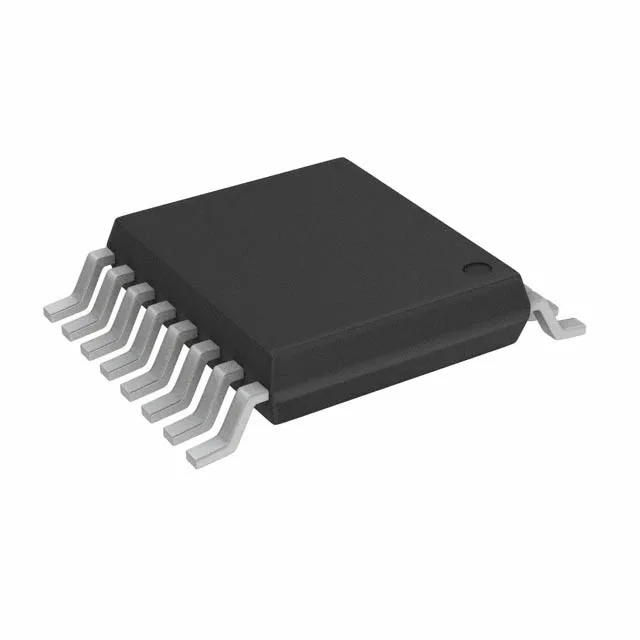
The 16-SSOP package (0.209-inch body width, 5.30mm height) is a standard surface-mount footprint with 0.65mm pitch — reworkable with hot-air and a fine-tip iron. The supplier device package is the same 16-SSOP, so no footprint mismatch between the order code and the physical part. Available in Tape & Reel (TR) or Cut Tape (CT). The TR option is the standard reel for automated pick-and-place; CT is for prototype or low-volume builds. ROHS3 compliant — no exemptions for lead in solder joints, so the reflow profile follows the standard lead-free ramp-soak-spike curve.