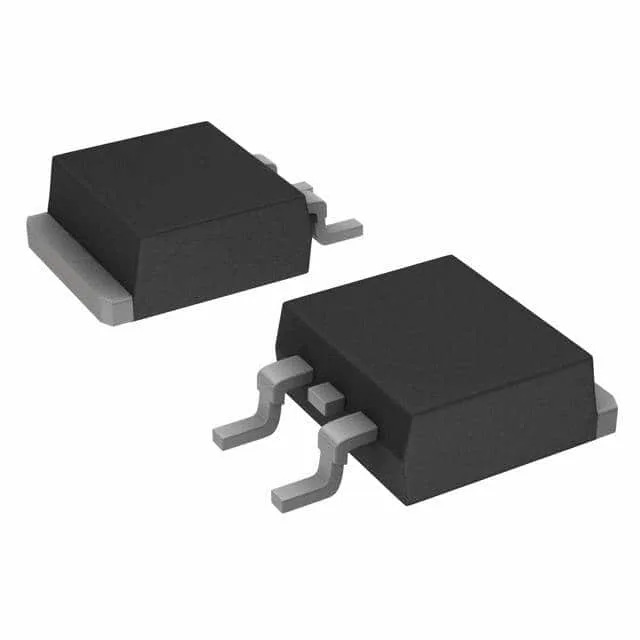
Renesas Electronics NP110N04PUK-E1-AY

Renesas NP110N04PUK-E1-AY N-Channel MOSFET, 40V, 110A

MPNNP110N04PUK-E1-AY
End of Life

Renesas NP110N04PUK--AY N-Channel MOSFET, 40 V Vdss, 110 A continuous drain, 1.4 mOhm Rds(on), TO-263-3 D²Pak, surface mount, active.

$4.91Ref. price · indicative, final on quote
PackagingTO-263-3, D²Pak (2 Leads + Tab), TO-263AB
RoHSROHS3 Compliant
Independent supplier — new & surplus stockAuthenticity-screened · ESD-safe packingListing updated Jul 2026

Specifications

NP110N04PUK-E1-AY specifications
ParameterValue
FET typeN-Channel
MountingSurface Mount
Drain to source voltage40 V
Drive voltage (Max rds on, min rds on)10V
Current - continuous drain (Id) @ 25°C110A (Tc)
Power dissipation1.8W (Ta), 348W (Tc)
Operating temperature175°C (TJ)
PackageTape & Reel (TR); Cut Tape (CT)
Vgs±20V
TechnologyMOSFET (Metal Oxide)
CaseTO-263-3, D²Pak (2 Leads + Tab), TO-263AB
Vgs(th) (Max) @ id4V @ 250µA
Rds on (Max) @ id, vgs1.4mOhm @ 55A, 10V
Gate charge (Qg) (Max) @ vgs297 nC @ 10 V
Input capacitance (Ciss) (Max) @ vds15750 pF @ 25 V

Product details

The NP110N04PUK-E1-AY: A gate driver sourcing 2 A charges the gate in roughly 150 ns — fast enough for a 20-50 kHz switching regulator but the driver must handle the peak current.

Thermal budget and package constraints

Maximum junction temperature is 175°C. Power dissipation is 1.8 W at 25°C ambient in still air, but 348 W at 25°C case temperature when mounted on a sufficient heatsink — the TO-263-3 (D²Pak) tab carries the heat. The 110 A rating at Tc=25°C assumes the case is held near ambient; without a heatsink the current must be derated significantly to stay below the junction limit.

Frequently asked questions

What is the closest functional second-source for NP110N04PUK--AY?

The NP179N055TUK--AY is a peer N-Channel MOSFET in the same TO-263-3 package with a 55 V Vdss and 180 A rating, but it carries AEC-Q101 automotive qualification. The gate charge is 240 nC at 10 V and on-resistance is 1.75 mOhm at 90 A — a direct drop-in requires checking the gate-drive voltage and thermal budget against the higher Vdss.