Active production — sourcing a wafer-level sensor module
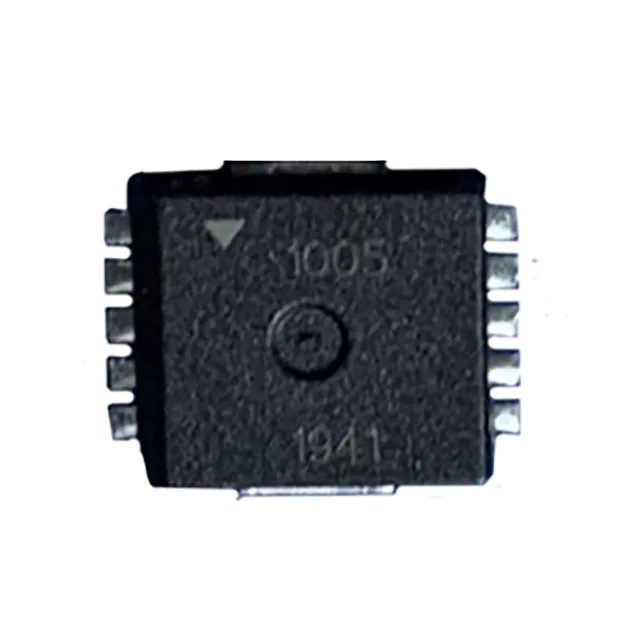
The FS3000-1005 is an active-production sensor module from Renesas Electronics, with the lifecycle status confirmed as Active and the lifecycle stage listed as current. This means the part is still in the manufacturer's standard ordering system — no NRND, EOL, or last-time-buy window has been declared. The base device identifier is FS3000, and the full order code FS3000-1005 likely denotes a specific configuration, test program, or calibration variant within the FS3000 family. A critical sourcing note: the description field reads 'MODULE REQUIRES WAFER'. This indicates the FS3000-1005 is supplied at the wafer or die level — it is not a finished packaged sensor with a plastic or ceramic housing. Buyers integrating this into a hybrid, multi-chip module, or chip-on-board assembly need to account for wafer-handling procedures, dicing, die-attach, and wire-bonding. The standard reel packaging (Tape & Reel or Cut Tape) is for the wafer or die in its carrier, not a conventional through-hole or SMD package.
What the wafer-level supply means for your BOM
Because the FS3000-1005 is a wafer-level part, the BOM cost and supply chain are different from a packaged sensor. The die must be handled in a cleanroom environment, and the yield at assembly depends on the downstream packaging process. The packaging options — Tape & Reel (TR) for volume pick-and-place and Cut Tape (CT) for prototyping or low-volume builds — give flexibility in procurement quantity. However, the 'requires wafer' note means the physical form is a die on a film frame or in a waffle pack, not a standard SMD reel. Confirm the exact carrier format with the supplier before committing the assembly line.
Provenance and authentication considerations
As an active, current-production part from a major manufacturer like Renesas, the FS3000-1005 should be available through authorized distribution channels. However, the wafer-level form factor makes visual counterfeit detection harder — there is no molded package with a laser-etched marking to inspect. For high-reliability applications, request lot traceability and a certificate of conformance from the authorized source. The date-code and wafer-lot information on the original carrier are the primary authentication markers.