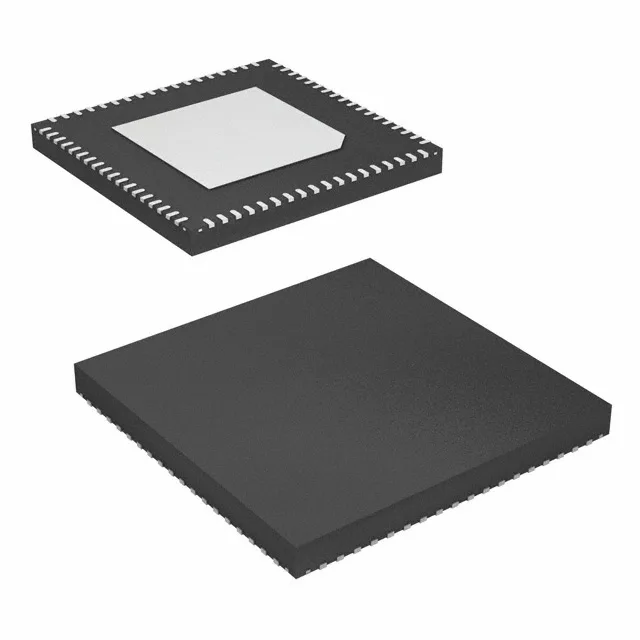
Renesas Electronics 9ZXL1950BKLF — Discrete Semiconductors

Renesas 9ZXL1950BKLF PLL Clock Generator, 1:19 HCSL, 150 MHz

MPN9ZXL1950BKLF
End of Life

Renesas 9ZXL1950BKLF PLL clock generator, 1:19 HCSL fanout, 150 MHz max, 3.135-4.6V supply, 72-VFQFN exposed pad, tray.

$7.64Ref. price · indicative, final on quote
Packaging72-VFQFN Exposed Pad
RoHSROHS3 Compliant
Sourced new & surplus through independent channelsAuthenticity-screened · ESD-safe packingListing updated Aug 2026

Specifications

9ZXL1950BKLF specifications
ParameterValue
MountingSurface Mount
Voltage3.135V ~ 4.6V
Frequency150MHz
Operating temperature0°C ~ 70°C
PLLYes
InputHCSL
OutputHCSL
PackageTray
Main purposeIntel QPI, PCI Express (PCIe)
Case72-VFQFN Exposed Pad
Number of circuits1
Ratio - Input:Output1:19
Differential - Input:OutputYes/Yes

Product details

Clock-tree fanout for PCIe and QPI reference clocks

The Renesas 9ZXL1950BKLF is a PLL-based clock generator that takes one HCSL input and distributes it across 19 HCSL outputs — a 1:19 fanout ratio that replaces multiple discrete fanout buffers on a server or workstation motherboard. It targets Intel QPI and PCI Express (PCIe) reference clock trees, where the PLL cleans up jitter from the source and synthesizes the output frequency up to 150 MHz.

Package and reflow considerations

The exposed pad also affects the solder paste stencil aperture — a typical recommendation is a 50-60% coverage pattern to avoid voiding under the pad. No MSL rating is listed on the record, but VFQFN packages commonly ship at MSL3, so a bake before reflow is prudent if the floor life has been exceeded.

Frequently asked questions

What is the 9ZXL1950BKLF used for?

It is a PLL clock generator designed for Intel QPI and PCI Express (PCIe) reference clock distribution. Its 1:19 HCSL fanout makes it suitable for server and workstation motherboards that need many clean clock copies from a single source.

Will the 9ZXL1950BKLF drop into a board designed for the 9ZXL0851EKKLF?

The pinouts and package may differ; a board spin is required.