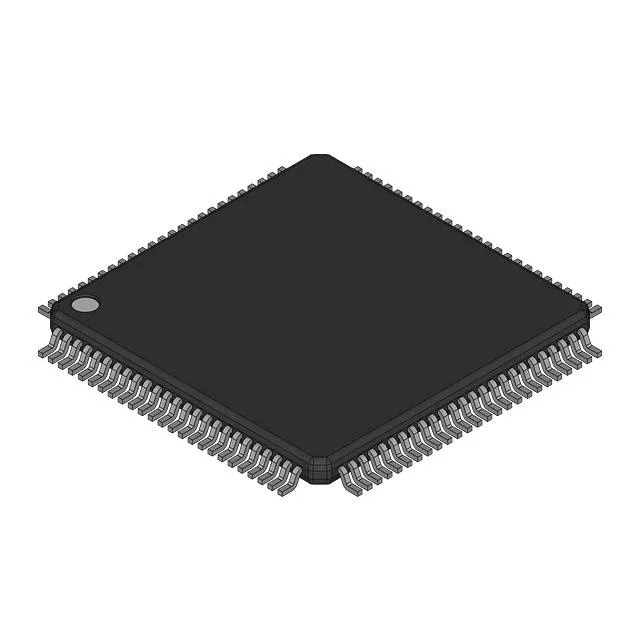
Renesas Electronics 71V547S100PF — DC-DC Power Modules

71V547S100PF SRAM, 4.5Mbit, 10 ns, 100-TQFP

MPN71V547S100PF
End of Life

Renesas 71V547S100PF, Synchronous SRAM (ZBT), 4.5Mbit (128K x 36), 10 ns access time, Parallel interface, 3.135V-3.465V supply, 0°C to 70°C, 100-TQFP.

$1.66Ref. price · indicative, final on quote
Packaging100-LQFP
RoHSRoHS non-compliant
Independent supplier — new & surplus stockAuthenticity-screened · ESD-safe packingListing updated Jul 2026

Specifications

71V547S100PF specifications
ParameterValue
Memory typeVolatile
MountingSurface Mount
Voltage3.135V ~ 3.465V
Memory interfaceParallel
Operating temperature0°C ~ 70°C (TA)
PackageBulk
TechnologySRAM - Synchronous, SDR (ZBT)
Access time10 ns
Memory size4.5Mbit
Memory formatSRAM
Case100-LQFP
Memory organization128K x 36

Product details

The Renesas 71V547S100PF is a 4.5 Mbit synchronous SRAM organized as 128K x 36, using a Zero Bus Turnaround (ZBT) architecture that eliminates dead cycles between read and write operations. It is a parallel-interface, volatile memory device in a 100-TQFP (14x14 mm) surface-mount package, designed for high-throughput buffer and cache applications in networking, telecom, and test equipment where continuous back-to-back transactions are needed.

For a system designer, this translates to zero-wait-state operation with a 100 MHz memory bus, which is the speed tier this part targets. If your controller or FPGA memory controller expects a 10 ns or faster device, this fits without adding pipeline stages or latency.

Supply rail and temperature constraints

It is RoHS non-compliant, so if your BOM requires RoHS compliance, you will need to verify the exemption or look for a lead-free variant.

Frequently asked questions

What is the access time of 71V547S100PF?

The access time is 10 ns, which supports zero-wait-state operation on a 100 MHz synchronous memory bus.

Is 71V547S100PF synchronous or asynchronous?

It is a synchronous SRAM using the ZBT (Zero Bus Turnaround) protocol, which means it requires a clock input and eliminates dead cycles between read and write operations.