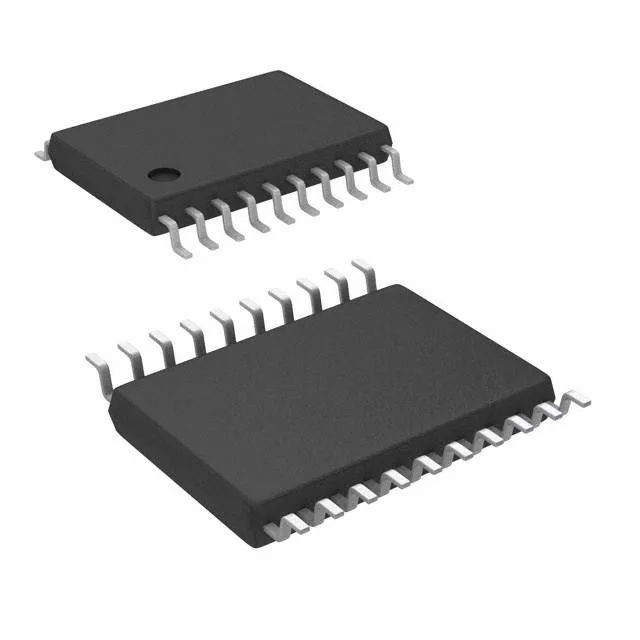
Renesas Electronics 5V41066PGGI — Clock & Timing ICs

5V41066PGGI Clock Generator, PLL, 200MHz, 20-TSSOP

MPN5V41066PGGI
End of Life

Renesas 5V41066PGGI PLL clock generator, spread spectrum, 200 MHz max, 1:4 fanout, HCSL/LVDS outputs, 3.135V-3.465V, -40°C to 85°C, 20-TSSOP.

$4.31Ref. price · indicative, final on quote
Packaging20-TSSOP (0.173", 4.40mm Width)
StockContact for availability
MOQ1 pcs
  • 100% new & originalTraceable channels only — no refurbs, no pulls, no remarked parts.
  • Date & lot codes on quoteStated per line before you commit; label photos on request.
  • MSL-compliant ESD packingMoisture-sealed bags with indicator cards; reels photo-verified.
  • PayPal buyer protectionPay by T/T, PayPal or Payoneer — card payments covered end to end.

Specifications

5V41066PGGI Technical Specifications
ParameterValue
Mounting typeSurface Mount
Voltage3.135V ~ 3.465V
Frequency200MHz
Operating temperature-40°C ~ 85°C
PLLYes
InputClock, Crystal
OutputHCSL, LVDS
PackageTube
Main purposeEthernet, PCI Express (PCIe)
Case20-TSSOP (0.173\", 4.40mm Width)
Number of circuits1
Ratio - Input:Output1:4
Differential - Input:OutputNo/Yes

Product details

What this clock generator does on the board

The Renesas 5V41066PGGI is a PLL-based clock generator with integrated spread spectrum, built to clean up and distribute reference clocks for PCI Express and Ethernet interfaces. It takes a single-ended clock or crystal input and produces four differential HCSL or LVDS outputs, each running up to 200 MHz. The 1:4 fanout means one chip can feed the reference clocks for a small switch, a few PCIe slots, or an Ethernet PHY cluster without adding external buffers.

Single-ended in, differential out — the signal chain

The input side accepts either a standard clock signal or a crystal, both single-ended. The output side drives HCSL or LVDS — the two dominant differential standards for PCIe and high-speed Ethernet reference clocks. That No/Yes on the differential input/output field means the chip handles the conversion internally: you feed it a single-ended 25 MHz or 100 MHz reference, and it fans out four clean differential copies. No external level translators needed.

200 MHz ceiling and what it covers

The 200 MHz maximum output frequency covers PCIe Gen 1 through Gen 3 reference clocks (100 MHz) and most Ethernet PHY reference frequencies (25 MHz, 125 MHz). It won't hit the 400 MHz needed for some Intel QPI or newer PCIe Gen 4/5 reference architectures — that's where the 9ZXL0851 or 9ZXL1231 peers come in. For standard PCIe and Ethernet duty, 200 MHz is the right tier.

Supply and temperature — fits industrial gear

The 3.135 V to 3.465 V supply range is standard 3.3 V ±5%, common on networking and computing boards. The -40°C to 85°C temperature range covers industrial environments — outdoor telecom cabinets, factory-floor switches, and unventilated enclosures. No commercial-grade 0°C to 70°C limitation here.

Package and mounting — field-swappable?

20-pin TSSOP, 4.40 mm wide, surface mount. It's a fine-pitch part — not something you'd swap in a parking lot without a hot-air station and magnification. The 0.65 mm pin pitch needs a careful hand if you're doing rework on site. For production, it's a standard pick-and-place footprint. No exposed pad to worry about, which simplifies the layout.

Lifecycle and sourcing

The 5V41066PGGI is listed as Active and ROHS3 compliant. It's a current-production part from Renesas, available through the usual distribution channels. For BOM planning, there's no urgency to qualify a second source — though if you want a pin-compatible alternative for dual-sourcing, the 9DB803DFLFT is a similar PCIe clock generator, but check the commercial temperature range (0°C to 70°C) against your thermal requirements.

Frequently asked questions

What output types does 5V41066PGGI support?

It outputs HCSL and LVDS, both differential standards. The input is single-ended (clock or crystal), and the chip converts to differential internally. That makes it a straight fit for PCIe reference clock distribution and Ethernet PHY clocking.

Can I use 5V41066PGGI for Ethernet applications?

Yes, Ethernet is listed as one of its main purposes. The 200 MHz maximum frequency covers common Ethernet PHY reference frequencies like 25 MHz and 125 MHz, and the spread spectrum capability helps with EMI compliance on the board.