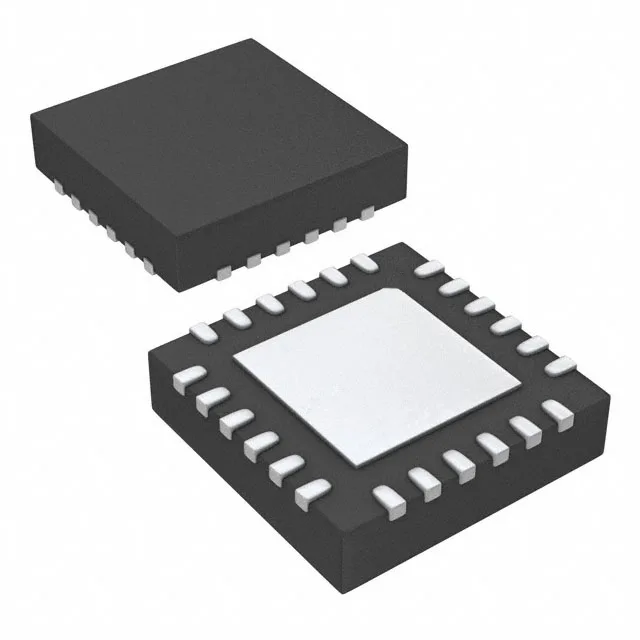
Renesas Electronics 5P49V5927B000NLGI — Clock & Timing ICs

Renesas 5P49V5927B000NLGI VersaClock 5, PLL, 200 MHz

MPN5P49V5927B000NLGI
End of Life

Renesas Electronics VersaClock® 5 clock generator, PLL Yes, 200 MHz max frequency, 2:3 input-to-output ratio, 24-VFQFN exposed pad, tray.

$4.69Ref. price · indicative, final on quote
Packaging24-VFQFN Exposed Pad
RoHSROHS3 Compliant
SeriesVersaClock® 5
Independent supplier — new & surplus stockAuthenticity-screened · ESD-safe packingListing updated Aug 2026

Specifications

5P49V5927B000NLGI specifications
ParameterValue
SeriesVersaClock® 5
MountingSurface Mount
Supply voltage1.71V ~ 3.465V
Frequency - max200MHz
Operating temperature-40°C ~ 85°C
PLLYes
InputHCSL, LVCMOS, LVDS, LVPECL, Crystal
OutputLVCMOS
PackageTray
Case24-VFQFN Exposed Pad
Divider (Multiplier)Yes/No
Number of circuits1
Ratio - Input:Output2:3
Differential - Input:OutputYes/No

Product details

Clock synthesis with multi-reference input

The 5P49V5927B000NLGI is a VersaClock® 5 clock generator from Renesas, integrating a PLL for frequency synthesis from a wide range of input references: HCSL, LVCMOS, LVDS, LVPECL, or a crystal. With a 2:3 input-to-output ratio, it accepts two reference inputs and produces three LVCMOS outputs, each programmable up to 200 MHz.

The differential input capability (HCSL, LVDS, LVPECL) allows it to accept clean clock references from high-speed ADCs, FPGAs, or SerDes transceivers, while the single-ended LVCMOS and crystal inputs cover legacy or lower-frequency sources.

Frequently asked questions

What is the maximum output frequency of the 5P49V5927B000NLGI?

The device generates LVCMOS outputs up to 200 MHz. The PLL multiplies the input reference to reach this ceiling, with the divider stage providing fractional-N synthesis for non-integer multiples.

What input types does the 5P49V5927B000NLGI accept?

It accepts HCSL, LVCMOS, LVDS, LVPECL, or a crystal as the reference input. This range covers both differential high-speed clock sources and single-ended low-frequency references, making it flexible for mixed-signal boards.