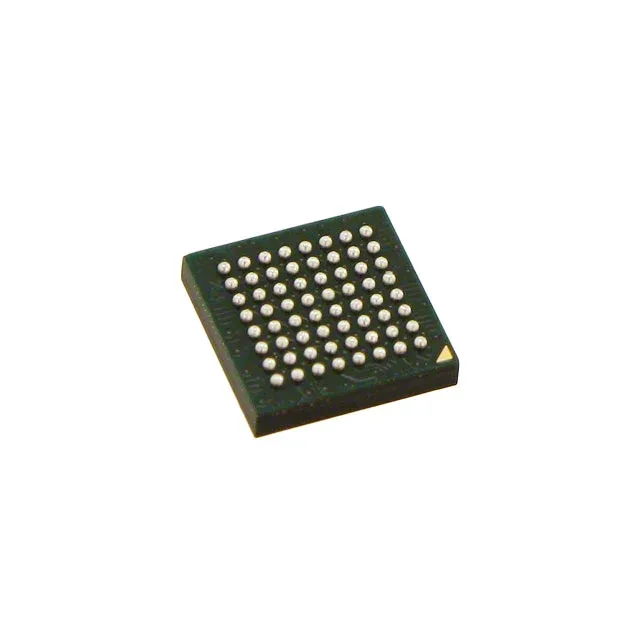
NXP USA Inc. MK22FN256VMP12 — Microcontrollers & Processors (MCU / MPU / DSP)

NXP MK22FN256VMP12 Kinetis K20 MCU, ARM Cortex-M4 120MHz

MPNMK22FN256VMP12
Active

NXP Kinetis K20 series, MK22FN256VMP12, 32-bit ARM Cortex-M4 single-core MCU, 120MHz, 256KB Flash, 48KB RAM, USB OTG, 22-channel 16-bit ADC, 1.71–3.6V supply, -40 to 105°C, 64-LFBGA (5×5) tray.

$12.8500Ref. price · indicative, final on quote
Independent supplier — new & surplus stockAuthenticity-screened · ESD-safe packingListing updated Jul 2026

Specifications

MK22FN256VMP12 specifications
ParameterValue
SeriesKinetis K20
MountingSurface Mount
Oscillator typeInternal
Program memory typeFLASH
Voltage - supply (Vcc (Vdd))1.71V ~ 3.6V
Operating temperature-40°C ~ 105°C (TA)
Speed120MHz
PackageTray
RAM size48K x 8
Core size32-Bit Single-Core
PeripheralsDMA, I²S, LVD, POR, PWM, WDT
ConnectivityI²C, IrDA, SPI, UART/USART, USB, USB OTG
Number of i (O)40
Core processorARM® Cortex®-M4
Case64-LFBGA
Data convertersA/D 22x16b; D/A 1x12b
Program memory size256KB (256K x 8)

Product details

The MK22FN256VMP12 runs a single ARM Cortex-M4 core at 120 MHz, backed by 256 KB of Flash and 48 KB of RAM. That clock rate is enough to handle a USB OTG stack plus a moderate sensor-fusion loop without starving the application — think motor-control telemetry or a multi-protocol gateway aggregating SPI and I²C peripherals. The 48 KB RAM (organized as 48K x 8) holds a few kilosamples of ADC data or a modest RTOS heap; if your design queues large USB buffers or runs a TCP/IP stack, budget the RAM carefully against the 40 available GPIOs.

Rated from -40 to 105 °C, this MCU operates in environments where ambient heat exceeds commercial-grade limits.

Analog and connectivity integration

Frequently asked questions

What is the core speed of MK22FN256VMP12?

The ARM Cortex-M4 core runs at 120 MHz, which is the listed maximum operating frequency.

What compliance documentation is available for MK22FN256VMP12?

The part is RoHS-compliant by design (lead-free BGA). NXP provides RoHS and REACH declarations; no UL or IEC certification is listed for this MCU — those are typically system-level, not component-level, requirements.