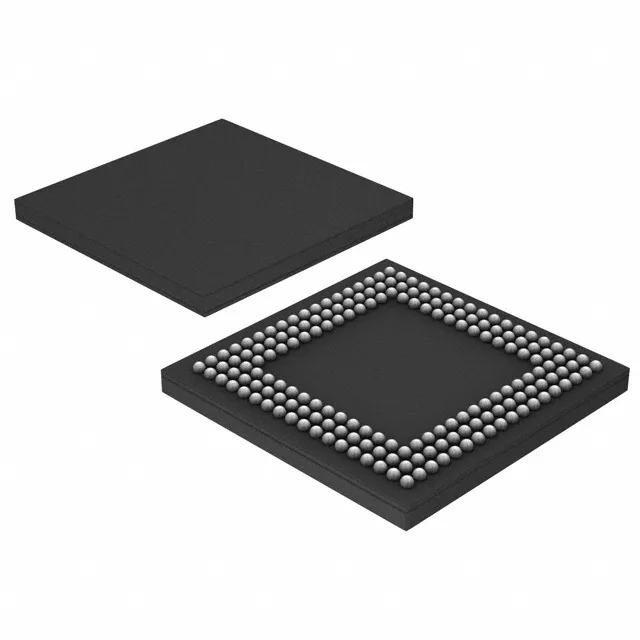
NXP USA Inc. LPC18S50FET180E — Microcontrollers & Processors (MCU / MPU / DSP)

NXP LPC18S50FET180E ARM Cortex-M3 MCU, 180 MHz, 200K x 8 RAM

MPNLPC18S50FET180E
Active

NXP LPC18xx series 32-bit ARM Cortex-M3 MCU, LPC18S50FET180E, 180 MHz, 200K x 8 RAM, ROMless, 118 I/O, 180-TFBGA (12x12), -40°C to 85°C.

$9.0696Ref. price · indicative, final on quote
StockContact for availability
MOQ1 pcs
  • 100% new & originalTraceable channels only — no refurbs, no pulls, no remarked parts.
  • Date & lot codes on quoteStated per line before you commit; label photos on request.
  • MSL-compliant ESD packingMoisture-sealed bags with indicator cards; reels photo-verified.
  • PayPal buyer protectionPay by T/T, PayPal or Payoneer — card payments covered end to end.

Specifications

LPC18S50FET180E Technical Specifications
ParameterValue
SeriesLPC18xx
Mounting typeSurface Mount
Oscillator typeInternal
Program memory typeROMless
Voltage - supply (Vcc (Vdd))2.2V ~ 3.6V
Operating temperature-40°C ~ 85°C (TA)
Speed180MHz
PackageTray
RAM size200K x 8
Core size32-Bit Single-Core
PeripheralsBrown-out Detect/Reset, DMA, I²S, LCD, POR, PWM, WDT
ConnectivityCANbus, EBI/EMI, Ethernet, I²C, IrDA, Microwire, QEI, MMC/SD, SPI, SSI, SSP, UART/USART, USB
Number of i (O)118
Core processorARM® Cortex®-M3
Case180-TFBGA
Data convertersA/D 8x10b; D/A 1x10b

Product details

180 MHz Cortex-M3 with external memory — a gateway-class MCU

ROMless architecture — plan the external memory budget

The LPC18S50FET180E has no internal Flash or OTP. The BOM must include an external nonvolatile memory device, typically a serial SPI Flash or parallel NOR Flash.

Frequently asked questions

What is LPC18S50FET180E's listed speed?

The core runs at 180 MHz. That is the maximum CPU clock, which translates to roughly 324 DMIPS on the Cortex-M3 pipeline.

What is the closest pin-compatible alternative to LPC18S50FET180E?

Within the LPC18xx family, the LPC1850FET180 (without the 'S' security suffix) is pin-compatible and shares the same 180-TFBGA footprint. The difference is the security feature set; verify your firmware's security requirements before swapping.