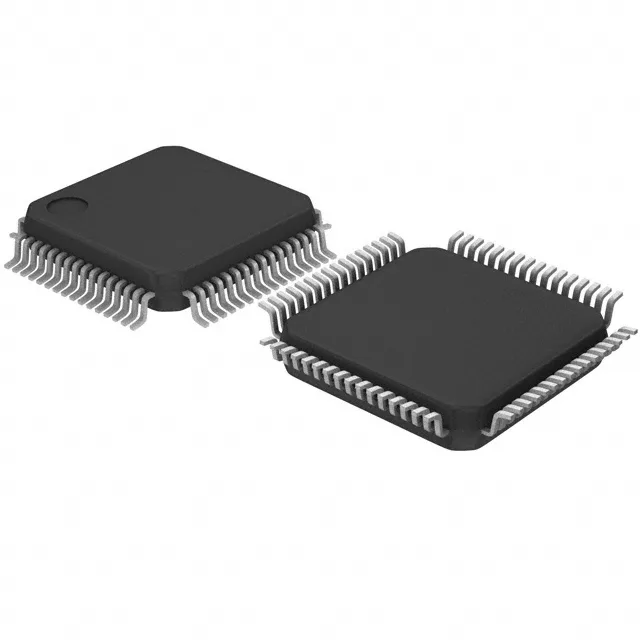
NXP LPC1547JBD64QL ARM Cortex-M3 MCU, 72MHz, 64KB Flash, 24-ch ADC, Dual CAN
NXP LPC1547JBD64QL: ARM Cortex-M3 32-bit single-core at 72MHz, 64KB FLASH / 12KB RAM / 4KB EEPROM, 24x12b A/D, dual CANbus + USB OTG + SPI/I²C/UART, 44 I/O, -40°C to 105°C, 64-LQFP (10x10mm) tray.
- 100% new & originalTraceable channels only — no refurbs, no pulls, no remarked parts.
- Date & lot codes on quoteStated per line before you commit; label photos on request.
- MSL-compliant ESD packingMoisture-sealed bags with indicator cards; reels photo-verified.
- PayPal buyer protectionPay by T/T, PayPal or Payoneer — card payments covered end to end.
Specifications
| Parameter | Value |
|---|---|
| Series | LPC15xx |
| Mounting type | Surface Mount |
| Oscillator type | Internal |
| Program memory type | FLASH |
| Voltage - supply (Vcc (Vdd)) | 2.4V ~ 3.6V |
| Operating temperature | -40°C ~ 105°C (TA) |
| Speed | 72MHz |
| Package | Tray |
| RAM size | 12K x 8 |
| Core size | 32-Bit Single-Core |
| EEPROM size | 4K x 8 |
| Peripherals | Brown-out Detect/Reset, DMA, POR, PWM, WDT |
| Connectivity | CANbus, I²C, SPI, UART/USART, USB |
| Number of i (O) | 44 |
| Core processor | ARM® Cortex®-M3 |
| Case | 64-LQFP |
| Data converters | A/D 24x12b |
| Program memory size | 64KB (64K x 8) |
Frequently asked questions
Does this part need an external crystal for startup, or is the internal oscillator sufficient?
The oscillator type is confirmed as internal. For most applications the internal oscillator is adequate for startup and standard peripheral timing; if the design requires USB clock tolerance or sub-microsecond startup accuracy, an external crystal can be added — the internal oscillator eliminates the default crystal requirement rather than mandating one.
Are there pin-compatible alternatives or a second source for the LPC1547JBD64QL?
No second source or official cross-reference is listed for this order code. Dual-sourcing requires a separate engineering qualification against a different manufacturer or NXP variant — begin that process early rather than waiting for allocation pressure.