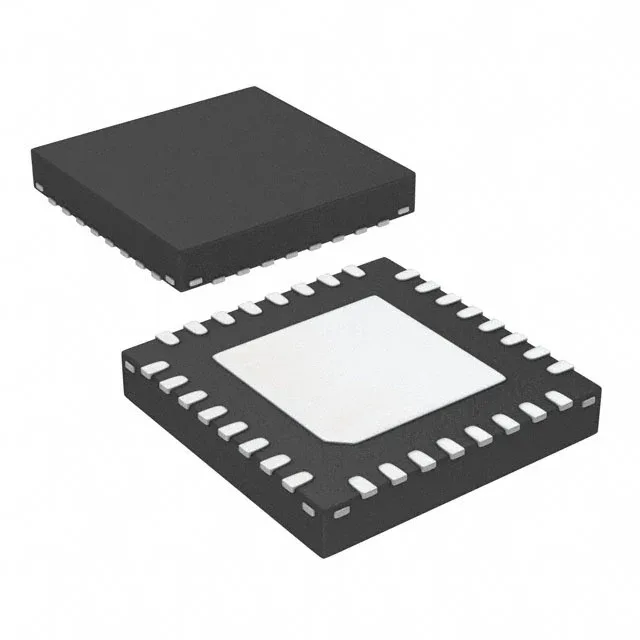
NXP USA Inc. LPC11E14FHN33/401 — Microcontrollers & Processors (MCU / MPU / DSP)

NXP LPC11E14FHN33/401 ARM Cortex-M0 MCU, 50 MHz, 32 KB Flash

MPNLPC11E14FHN33/401
Active

NXP LPC11Exx series 32-bit ARM Cortex-M0 MCU, LPC11E14FHN33/401, 50 MHz, 32 KB Flash, 10 KB RAM, 4 KB EEPROM, 28 I/O, I²C/SPI/UART, -40 to 85 °C, 32-HVQFN.

Independent supplier — new & surplus stockAuthenticity-screened · ESD-safe packingListing updated Jul 2026

Specifications

LPC11E14FHN33/401 specifications
ParameterValue
SeriesLPC11Exx
MountingSurface Mount
Oscillator typeInternal
Program memory typeFLASH
Voltage - supply (Vcc (Vdd))1.8V ~ 3.6V
Operating temperature-40°C~85°C(TA)
Speed50MHz
PackageBulk
RAM size10K x 8
Core size32-Bit Single-Core
EEPROM size4K x 8
PeripheralsBrown-out Detect/Reset, POR, WDT
ConnectivityI²C, Microwire, SPI, SSI, SSP, UART/USART
Number of i (O)28
Core processorARM® Cortex®-M0
Case32-VQFN Exposed Pad
Data convertersA/D 8x10b
Program memory size32KB (32K x 8)

Product details

Memory split: Flash, EEPROM, and RAM

The 32 KB Flash (32 K × 8) is sized for a moderate firmware image — bootloader, a real-time control loop, and a communication stack fit without squeezing. The 4 KB EEPROM (4 K × 8) is the key differentiator versus the base LPC11xx parts: it stores calibration constants, node ID, or fault logs without wearing the Flash. The 10 KB SRAM (10 K × 8) supports a few hundred bytes of stack plus a modest data buffer for a UART or I²C transaction. If the application needs a large frame buffer or a TCP/IP stack, the RAM will be the binding constraint.

The part includes I²C, SPI/SSI/SSP, and UART/USART blocks, plus a Microwire interface.

Frequently asked questions

What is the LPC11E14FHN33/401's core speed?

The LPC11E14FHN33/401 runs at 50 MHz on its ARM Cortex-M0 core.

What is the closest pin-compatible alternative to the LPC11E14FHN33/401?

Within the LPC11Exx series, higher-density variants such as the LPC11E14FHN33/401's siblings with 64 KB Flash share the same 32-HVQFN footprint and pinout, allowing a firmware-capacity upgrade without a PCB layout change.