NXP USA Inc. LPC11E11FHN33/101551 — Microcontrollers & Processors (MCU / MPU / DSP)

NXP LPC11E11FHN33/101551 ARM Cortex-M0 MCU, 50 MHz, 8 KB Flash

MPNLPC11E11FHN33/101551
Active

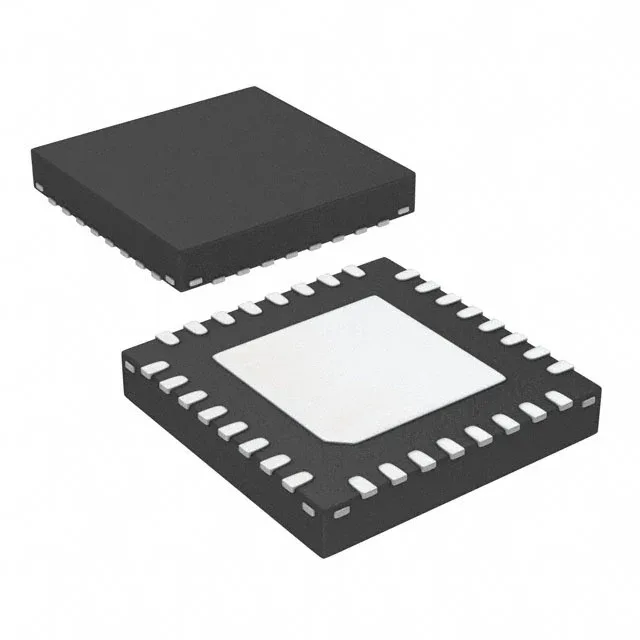
NXP LPC11Exx series 32-bit ARM Cortex-M0 MCU, LPC11E11FHN33/101551, 50 MHz core, 8 KB Flash, 4 KB RAM, 512 B EEPROM, 28 I/O, I²C/SPI/UART, -40 to 85 °C, 32-HVQFN exposed pad.

Independent supplier — new & surplus stockAuthenticity-screened · ESD-safe packingListing updated Jul 2026

Specifications

LPC11E11FHN33/101551 specifications
ParameterValue
SeriesLPC11Exx
MountingSurface Mount
Oscillator typeInternal
Program memory typeFLASH
Voltage - supply (Vcc (Vdd))1.8V ~ 3.6V
Operating temperature-40°C~85°C(TA)
Speed50MHz
PackageBulk
RAM size4K x 8
Core size32-Bit Single-Core
EEPROM size512 x 8
PeripheralsBrown-out Detect/Reset, POR, WDT
ConnectivityI²C, Microwire, SPI, SSI, SSP, UART/USART
Number of i (O)28
Core processorARM® Cortex®-M0
Case32-VQFN Exposed Pad
Data convertersA/D 8x10b
Program memory size8KB (8K x 8)

Product details

The NXP LPC11E11FHN33/101551 is a 32-bit ARM Cortex-M0 microcontroller in the LPC11Exx family, clocked at 50 MHz.

Memory sizing for firmware and data logging

8 KB Flash and 4 KB RAM are tight by modern standards. The 512-byte EEPROM block is useful for calibration constants, serial numbers, or fault counters that must survive a power cycle. Firmware teams should budget for a compact RTOS or a bare-metal scheduler; a full FreeRTOS heap will eat most of the 4 KB SRAM.

Frequently asked questions

What is LPC11E11FHN33/101551's listed speed?

The core runs at 50 MHz. That is the maximum clock from the internal oscillator or an external source; no PLL multiplication is available on this entry-level Cortex-M0.

What is the closest pin-compatible alternative in the LPC11Exx family?

The LPC11E12FHN33/201551 (if available) offers the same pinout with 16 KB Flash and 4 KB RAM — double the program memory for firmware growth. Verify the exact order code against your BOM; NXP's LPC11Exx family shares the HVQFN footprint across density options.