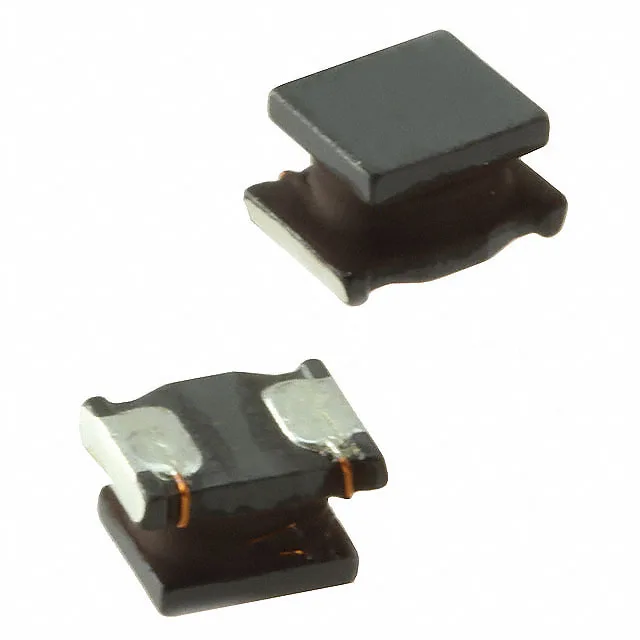
Murata Electronics LQH43NH101J03L — Inductors & Chokes

Murata LQH43NH101J03L 100 µH Inductor, 150 mA, AEC-Q200

MPNLQH43NH101J03L
Active

Murata Electronics LQH43 series, Drum Core Wirewound Inductor, 100 µH, ±5%, 150 mA, 2.4 Ohm DCR, Unshielded, Ferrite Core, 1812 (4532 Metric), AEC-Q200.

$0.6900Ref. price · indicative, final on quote
Sourced new & surplus through independent channelsAuthenticity-screened · ESD-safe packingListing updated Aug 2026

Specifications

LQH43NH101J03L specifications
ParameterValue
TypeDrum Core, Wirewound
SeriesLQH43
MountingSurface Mount
Current rating150 mA
Frequency - self resonant6.8MHz
Inductance frequency - test1 MHz
Operating temperature-40°C~125°C
Material - coreFerrite
Size (Dimension)0.177\" L x 0.126\" W (4.50mm x 3.20mm)
Height - seated0.110\" (2.80mm)
PackageTape & Reel (TR); Cut Tape (CT)
RatingsAEC-Q200
Q @ freq40 @ 796kHz
ShieldingUnshielded
Tolerance±5%
Inductance100 µH
Case1812 (4532 Metric)
DC resistance2.4Ohm Max

Product details

What the 100 µH and 150 mA rating mean for your filter or DC-DC stage

The LQH43NH101J03L is a 100 µH drum-core wirewound inductor from Murata's LQH43 series, rated for 150 mA continuous current with a maximum DC resistance of 2.4 Ohm. In a buck converter output filter, the 100 µH value sets the inductor ripple current — at a given switching frequency and input voltage, higher inductance means lower ripple, but the 2.4 Ohm DCR will drop 360 mV at full rated current, so the downstream rail needs headroom. The 150 mA rating is the DC bias current at which the inductance typically drops by 10%; stay below this to keep the filter corner frequency stable.

The ferrite core material maintains inductance across this band, though the DCR will drift with temperature per the copper winding's positive coefficient.

The unshielded construction means magnetic flux radiates from the core — keep sensitive analog traces or low-level signal routing at least one package width away to avoid coupling. The tape-and-reel packaging supports automated pick-and-place; the cut-tape option works for prototypes or small-batch builds.

Self-resonant frequency and Q factor — where the inductor behaves like an inductor

The self-resonant frequency (SRF) is 6.8 MHz. Above this frequency the parasitic capacitance between windings dominates and the component behaves capacitively — so for a 100 µH inductor, the useful range for filtering or energy storage tops out around 1-2 MHz. The Q factor is 40 at 796 kHz, which is the test frequency for the Q spec; at that point the inductive reactance is roughly 500 Ohm, and the equivalent series resistance from core and winding losses is about 12.5 Ohm.

Frequently asked questions

Is the LQH43NH101J03L AEC-Q200 qualified?

Yes, it carries an AEC-Q200 rating, meaning it has passed automotive-grade stress tests for temperature cycling, moisture resistance, mechanical shock, and vibration — suitable for use in automotive electronics assemblies.

What is the DC resistance and why does it matter?

The maximum DC resistance is 2.4 Ohm. At the rated 150 mA current, this produces a 360 mV voltage drop across the inductor and dissipates 54 mW as heat.

What is the self-resonant frequency of this inductor?

The self-resonant frequency is 6.8 MHz. For practical filter or energy storage applications, operate the inductor well below this frequency — typically below 2 MHz — to avoid the parasitic capacitance turning the component capacitive.