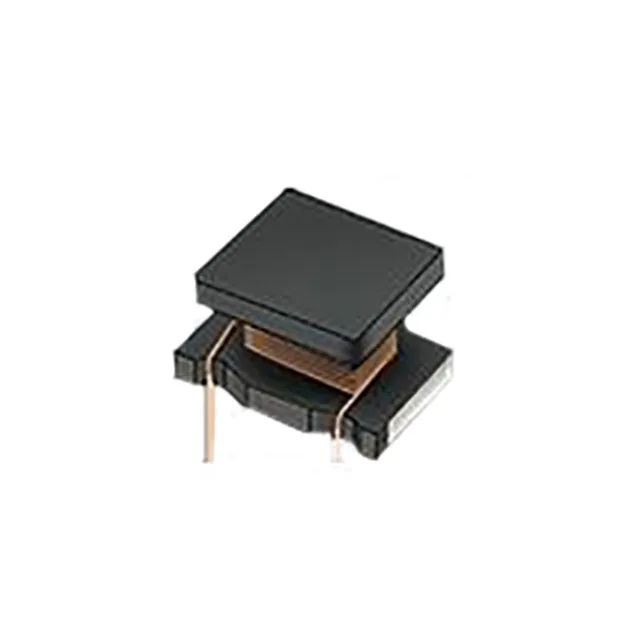
Murata Electronics LQH32MN100J23L — Inductors & Chokes

Murata LQH32MN100J23L 10 µH Unshielded Wirewound Inductor

MPNLQH32MN100J23L
Active

Murata Electronics LQH32 series, Drum Core Wirewound Inductor, 10 µH, ±5%, 190 mA, 1.8 Ohm DCR, Unshielded, Surface Mount, 1210 (3225 Metric).

$0.3000Ref. price · indicative, final on quote
Sourced new & surplus through independent channelsAuthenticity-screened · ESD-safe packingListing updated Aug 2026

Specifications

LQH32MN100J23L specifications
ParameterValue
TypeDrum Core, Wirewound
SeriesLQH32
MountingSurface Mount
Current rating190 mA
Frequency - self resonant20MHz
Inductance frequency - test1 MHz
Operating temperature-40°C ~ 85°C
Material - coreFerrite
Size (Dimension)0.126\" L x 0.098\" W (3.20mm x 2.50mm)
Height - seated0.087\" (2.20mm)
PackageTape & Reel (TR) Cut Tape (CT)
Q @ freq35 @ 1MHz
ShieldingUnshielded
Tolerance±5%
Inductance10 µH
CaseNonstandard
DC resistance1.8Ohm Max

Product details

Drum-core wirewound for general-purpose filtering

The Murata LQH32MN100J23L is a 10 µH unshielded wirewound inductor built on a ferrite drum core, housed in a 1210 (3225 metric) surface-mount package. Its 190 mA current rating and 1.8 Ohm maximum DCR set the DC loss budget — at full rated current the I²R drop is about 65 mW, which stays within the 85°C ambient ceiling without forced airflow.

Self-resonant frequency and usable bandwidth

With a self-resonant frequency of 20 MHz, this inductor behaves as an inductor up to roughly that point; above SRF the impedance turns capacitive and the part loses its filtering effectiveness. The Q factor of 35 at 1 MHz tells you the ratio of reactance to AC resistance at the test frequency — useful for tuned circuits or LC filters where insertion loss matters.

Frequently asked questions

What is the inductance tolerance of LQH32MN100J23L?

The tolerance is ±5% at 1 MHz test frequency.

Is LQH32MN100J23L shielded or unshielded?

It is unshielded — the magnetic field radiates from the drum core, so board placement relative to nearby traces or sensitive analog circuits should account for stray coupling.