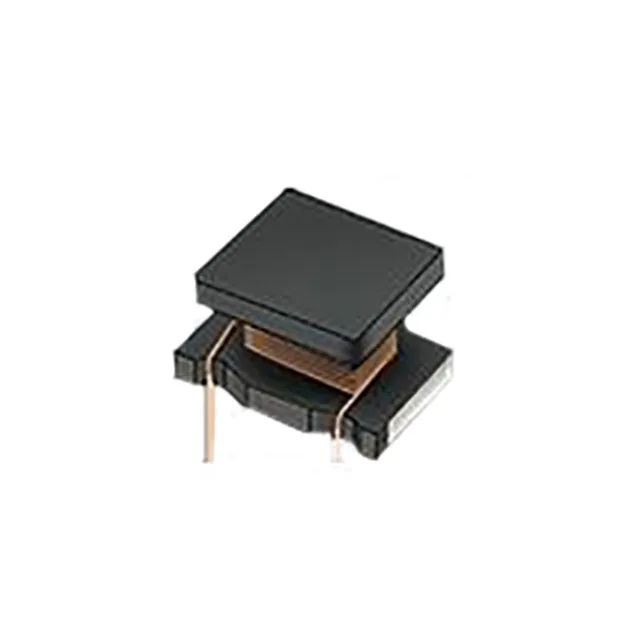
Murata Electronics LQH32CH220K53L — Inductors & Chokes

Murata LQH32CH220K53L 22 µH Unshielded Wirewound Inductor

MPNLQH32CH220K53L
Active

Murata Electronics LQH32 series, Drum Core Wirewound Inductor, 22 µH, ±10%, 250 mA, 710 mOhm DCR, Unshielded, 1210 (3225 Metric) package, Tape & Reel.

$0.1516Ref. price · indicative, final on quote
Sourced new & surplus through independent channelsAuthenticity-screened · ESD-safe packingListing updated Aug 2026

Specifications

LQH32CH220K53L specifications
ParameterValue
TypeDrum Core, Wirewound
SeriesLQH32
MountingSurface Mount
Current rating250 mA
Frequency - self resonant19MHz
Inductance frequency - test1 MHz
Operating temperature-40°C ~ 85°C
Material - coreFerrite
Size (Dimension)0.126\" L x 0.098\" W (3.20mm x 2.50mm)
Height - seated0.087\" (2.20mm)
PackageTape & Reel (TR)
ShieldingUnshielded
Tolerance±10%
Inductance22 µH
CaseNonstandard
DC resistance710mOhm

Product details

22 µH, 250 mA — what the ratings mean for your rail

The Murata LQH32CH220K53L is a 22 µH unshielded wirewound inductor in the LQH32 series, rated for 250 mA continuous DC current. In a buck converter, 22 µH at 250 mA supports output currents up to that limit before the core saturates or the temperature rise exceeds the ferrite's margin — the 710 mOhm DCR will drop about 178 mV at full load, so factor that into the output voltage budget for a low-voltage rail.

Self-resonant frequency and layout note

The self-resonant frequency is 19 MHz — above that the inductor's impedance becomes capacitive, so keep switching noise below that ceiling. The unshielded construction means the magnetic field radiates; keep sensitive analog traces or high-impedance nodes at least a few millimeters away from the body.

Frequently asked questions

What is the DC resistance and why does it matter?

The DCR is 710 mOhm. At 250 mA, the resistive loss is about 44 mW — acceptable for most designs, but in a battery-powered rail every milliohm counts toward efficiency. The voltage drop across the DCR also shifts the output regulation point in a converter.