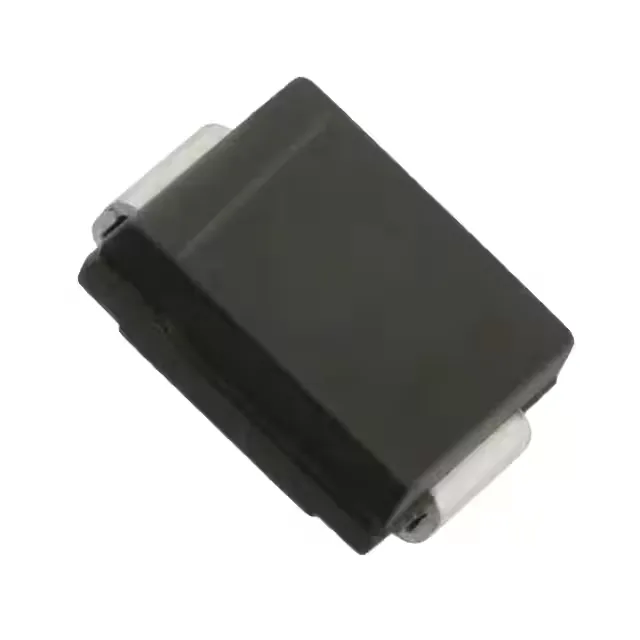
Diodes Incorporated SMCJ6.0CAQ-13-F — Circuit Protection

SMCJ6.0CAQ-13-F TVS Diode, AEC-Q101, 1500W, DO-214AB

MPNSMCJ6.0CAQ-13-F
Active

Diodes Incorporated SMCJ6.0CAQ-13-F Zener TVS diode, Series Automotive AEC-Q101, 1500W peak pulse power, 6V reverse standoff, bidirectional, DO-214AB SMC package, Tape & Reel.

$0.2941Ref. price · indicative, final on quote
Sourced new & surplus through independent channelsAuthenticity-screened · ESD-safe packingListing updated Aug 2026

Specifications

SMCJ6.0CAQ-13-F specifications
ParameterValue
TypeZener
SeriesAutomotive, AEC-Q101
MountingSurface Mount
Voltage - breakdown6.67V
Voltage - clamping (Max) @ ipp10.3V
Voltage - reverse standoff6V
Current - peak pulse (10/1000μs)145.6A
Power - peak pulse1500W (1.5kW)
Power line protectionNo
Operating temperature-55°C~150°C(TJ)
PackageTape & Reel (TR)
ApplicationsAutomotive
CaseDO-214AB, SMC
Bidirectional channels1

Product details

AEC-Q101 qualified transient-voltage suppression for 12 V automotive buses

The SMCJ6.0CAQ-13-F: The -55°C to +150°C junction temperature range covers under-hood and engine-bay environments where ambient temps can exceed 105°C.

Clamping voltage and peak current — what they mean for rail protection

The 6.67V minimum breakdown voltage ensures the device does not conduct during normal bus ripple up to 6V. For shorter transients (e.g., 8/20µs ESD strikes), the effective power handling is significantly higher — this is a common selection point when comparing TVS diodes for IEC 61000-4-5 surge compliance.

Package integration and supply posture

Housed in the DO-214AB (SMC) surface-mount package, the device has a large copper pad on the cathode side that conducts heat to the PCB plane. The SMC footprint is shared across the SMCJ family, so a single board layout can accommodate multiple voltage variants without a respin.

Frequently asked questions

What AEC-Q101 grade does this TVS diode carry?

The SMCJ6.0CAQ-13-F is qualified to AEC-Q101, the automotive discrete semiconductor qualification standard. The -55°C to +150°C junction temperature range supports Grade 1 and Grade 0 applications (engine bay, under-hood).